
Jeffrey's primrose
Primula jeffreyi
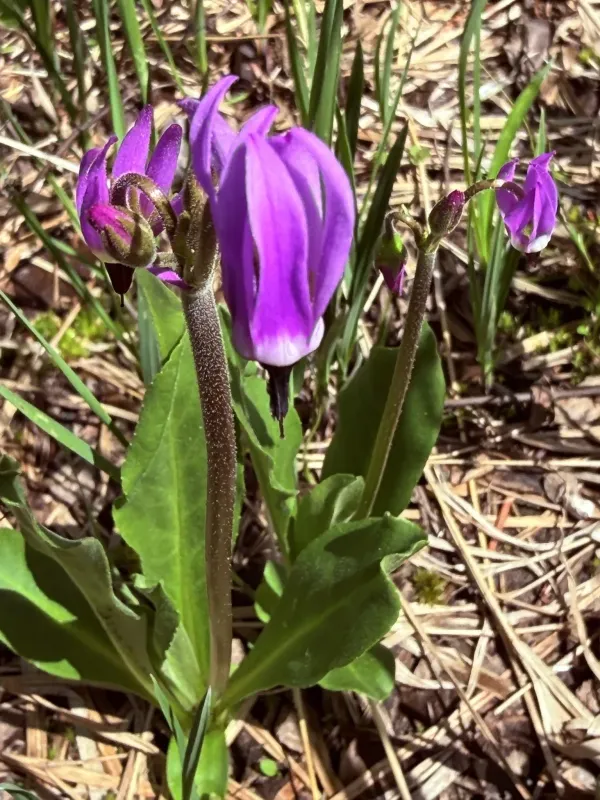
Description
Sowing dates
Sowing Primula jeffreyi seeds should be initiated in late winter, ensuring the seeds undergo a cold stratification period to break dormancy effectively.
Seeds should be sown on the surface of a fine, moist potting mix, pressing them gently but not burying them, as light is beneficial for germination.
Maintaining a stable, cool environment is essential for the seedlings, which prefer temperatures that mimic the early spring season in their native habitats.
Once seedlings have developed a strong root system and at least two sets of true leaves, they can be carefully transplanted into larger individual containers.
Hardening off the young plants before moving them to their permanent outdoor location helps them acclimate to ambient environmental conditions.
Growing requirements
As a member of the Primulaceae family, Primula jeffreyi thrives best in environments that provide consistent moisture and cool temperatures throughout the year.
This species is highly adapted to alpine or subalpine conditions, requiring well-draining soil that is rich in organic matter and slightly acidic.
A partial shade location is ideal, as direct, harsh sunlight can scorch the delicate foliage and dry out the root zone too quickly during the summer.
Successful cultivation involves maintaining a balance where the soil remains damp but never waterlogged to prevent the development of root rot diseases.
Mulching with organic material around the base of the plant helps maintain soil temperature and moisture levels, mimicking the natural forest floor environment.
Main diseases and pests
Slugs and snails are the most significant pests for this species, often consuming leaves and flowers during damp and overcast weather conditions.
Root rot, often caused by poor drainage and excessive moisture, remains the primary pathological threat to the health of the plant throughout its life cycle.
Aphids can occasionally infest the flower stalks, leading to stunted growth and damage that may invite secondary fungal infections to the plant tissues.
Preventative measures, including ensuring adequate spacing between plants, help improve air circulation and significantly reduce the humidity around the leaves.
Regular inspection of the foliage is recommended to catch pest infestations early before they can cause widespread damage to the Primula collection.