
Entire-leaved primrose
Primula integrifolia
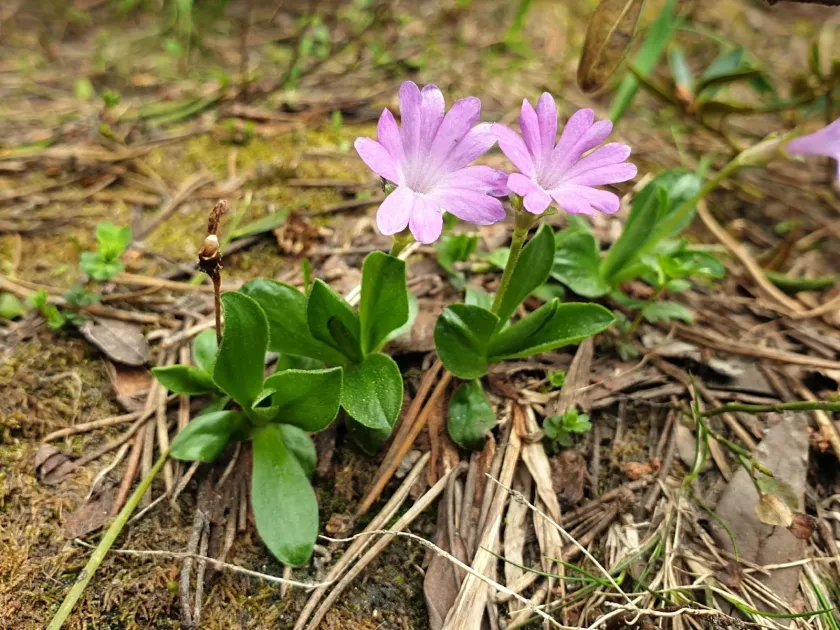
Description
Sowing dates
The propagation of the entire-leaved primrose (Primula integrifolia) is primarily performed through seeds which require a period of cold stratification.
To ensure successful germination, seeds should be sown in autumn or kept in a cool environment at temperatures near +4°C for several weeks.
Surface sowing is recommended as the seeds are fine and need light to trigger the physiological processes required for seedling emergence.
A sterile, well-draining soil mix is essential to prevent damping-off, a common issue when working with delicate alpine species in indoor or greenhouse environments.
Once seedlings have developed their first true leaves, they can be carefully pricked out into individual containers to strengthen before final planting.
Growing requirements
Primula integrifolia belongs to the Primulaceae family and is native to the high-altitude mountainous regions of the European Alps and Pyrenees.
The plant is characterized by its small, smooth-edged leaves forming dense rosettes and its deep pink to violet flowers emerging on short stems.
Climatic requirements focus on cool summers and moist soil conditions, mimicking its natural habitat on alpine slopes and rocky outcrops.
The soil should be slightly acidic to neutral, rich in organic matter, and must provide excellent drainage to avoid waterlogged roots.
In garden settings, it thrives in rock gardens where it receives partial shade during the hottest hours of the day to prevent plant stress.
Main diseases and pests
Fungal pathogens represent the most significant threat to Primula integrifolia, particularly under conditions of poor ventilation and humidity.
Botrytis, or grey mold, can rapidly colonize the foliage when air circulation is restricted, necessitating strict hygiene and immediate removal of debris.
Root rot is a critical risk, typically caused by soil compaction or heavy, water-retaining clay soils that do not allow the roots to breathe.
Pests such as spider mites may target the plant during dry spells, causing leaf yellowing and a decline in the overall vigor of the primrose.
Effective management includes regular monitoring and maintaining an optimal microclimate to minimize the need for heavy chemical treatments.