
Hybrid primrose
Primula hybrids
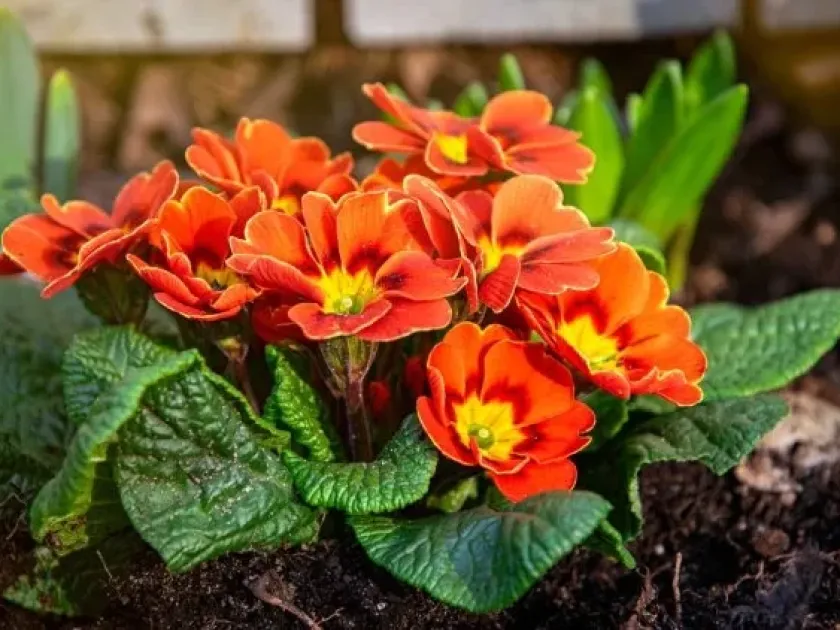
Description
Sowing dates
Hybrid primroses, belonging to the Primulaceae family, are popular perennials developed through selective breeding. Propagation is typically performed by sowing seeds in late winter, requiring a period of cold stratification to break dormancy and ensure uniform germination.
Seeds are extremely fine and should be sown on the surface of a moist, sterile growing medium without covering them with soil, as they require light to germinate. High humidity levels must be maintained using a cover until the first true leaves appear.
A loose, peat-based substrate with added perlite is ideal for starting seeds to prevent root suffocation. Keeping the temperature stable between 15-18 degrees Celsius encourages healthy seedling development while preventing leggy growth in early stages.
Once the seedlings have developed at least two sets of true leaves, they should be pricked out and transplanted into individual pots to strengthen. This transition phase is critical for the plants to build a robust root system before being moved outdoors.
Transplanting to the permanent garden site occurs in late spring after the risk of frost has passed. Hybrid primroses are usually treated as garden perennials, and while they may take a season to establish, they provide vibrant blooms in subsequent years.
Growing requirements
These plants thrive in semi-shaded positions where they are protected from the intense heat of the afternoon sun. They are perfect candidates for woodland gardens, shady borders, or rockeries where their colorful blooms can be clearly displayed.
Well-drained, fertile soil enriched with organic matter like leaf mold or compost is essential for primrose success. The soil should remain consistently moist but never waterlogged, as poor drainage is the primary cause of crown rot in these species.
Regular watering is necessary, especially during dry spells in spring and summer. It is best to water directly at the base of the plant to keep the foliage dry, which significantly reduces the risk of leaf spot and other fungal infections.
Balanced liquid fertilizers applied during the early growth phase and post-flowering help maintain plant vigor. Avoid over-fertilizing with nitrogen, as this often leads to excessive leaf growth at the expense of floral production and overall plant health.
Winter care involves mulching around the plants with organic material to protect the root zone from severe freeze-thaw cycles. In regions with harsh winters, a light covering of evergreen boughs can provide extra protection for the dormant crown.
Main diseases and pests
Fungal diseases such as powdery mildew and grey mold are common in humid conditions with poor airflow. Maintaining adequate spacing between plants and avoiding overhead irrigation are fundamental practices to prevent the spread of these pathogens.
Root rot is a severe threat often linked to overly heavy, waterlogged soils. Ensuring excellent drainage through the addition of grit or sand to the planting area is the most effective preventative measure against these silent plant killers.
Pests like aphids and spider mites can infest the foliage, particularly in warm and dry environments. Regular monitoring allows for early detection, enabling the use of insecticidal soaps or neem oil before the infestation causes significant damage.
Slugs and snails are frequent garden visitors that enjoy the tender leaves of primroses. Using physical barriers, such as copper tape or crushed eggshells, or environmentally friendly bait, helps protect the plants from being decimated overnight.
Nematode infestations can lead to stunted growth and leaf distortion, which are difficult to cure once established. Hygiene is crucial, so always start with certified disease-free stock and practice crop rotation in specialized growing beds.