
Candelabra primrose
Primula helodoxa
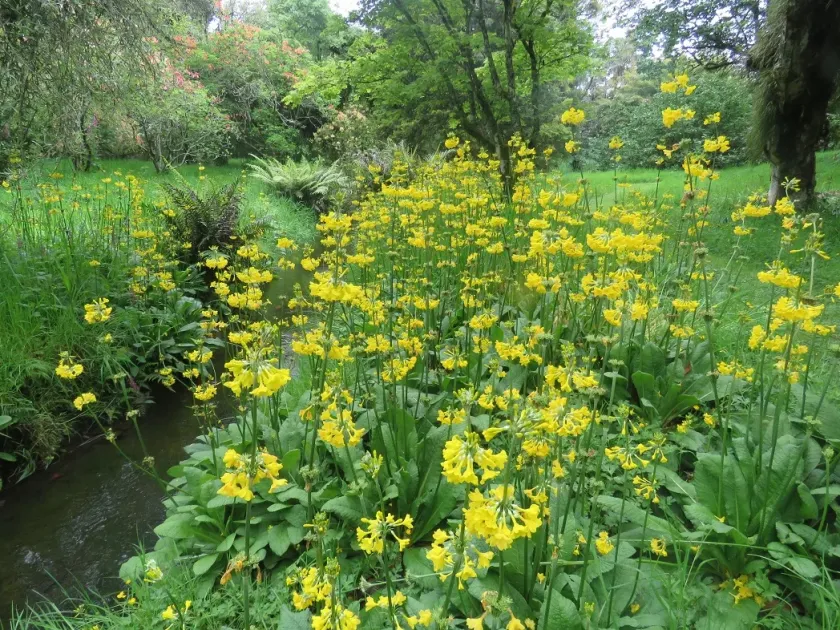
Description
Sowing dates
Primula helodoxa seeds require a period of cold stratification to break dormancy. Sowing in late autumn or early winter in a cold frame or unheated greenhouse is the most effective method for successful germination.
The seeds should be sown on the surface of a fine, moist potting mix and barely covered with a thin layer of sand or grit. Maintaining high humidity throughout the germination process is essential for success.
Once seedlings have developed two sets of true leaves, they should be pricked out into individual pots. This careful handling prevents root damage and encourages the development of a robust root system before transplanting.
Young plants should be hardened off before being moved to their final outdoor location in late spring. Consistent moisture during the establishment phase is critical for the long-term survival of the young plants.
Division of mature clumps can also be performed after flowering. This asexual propagation method helps revitalize older, congested plants and ensures they continue to bloom profusely in the following seasons.
Growing requirements
Primula helodoxa is a member of the Primulaceae family, specifically adapted to wetland environments. It thrives in bog gardens, alongside stream banks, or in naturally damp areas of the landscape.
The ideal soil is moisture-retentive, rich in organic matter, and slightly acidic. It should provide constant moisture without becoming stagnant, which requires good structure and occasional drainage.
These plants prefer partial shade, where they are protected from the harsh afternoon sun. Intense light can cause rapid moisture loss and damage the large, lush leaves typical of this species.
Adequate water is the most important cultural requirement. During dry spells, irrigation must be frequent to prevent the soil from drying out, which would cause the plant to wilt immediately.
General maintenance includes removing spent flower stalks to prevent self-seeding and to encourage the plant to direct its energy towards root and foliage development for the next season.
Main diseases and pests
Slugs and snails are the most significant pests for Primula helodoxa. They are attracted to the moist environment and succulent foliage, often causing extensive damage to the crown of the plant.
Fungal diseases, particularly grey mould (Botrytis), can become a problem in damp, stagnant air. Proper spacing between plants and good air circulation are the best preventative measures against such infections.
Aphids occasionally colonize the flower stems during the active growing season. While usually not fatal, they can cause distortion of the blooms and should be managed with soap-based insecticides if necessary.
Root rot is a common issue when the soil becomes waterlogged for extended periods without adequate drainage. It is essential to ensure that the water table does not remain at the crown level for too long.
Occasional infestations of vine weevil larvae can damage the roots. Monitoring the soil and using biological controls like nematodes can effectively manage these soil-borne pests without harming the environment.