
Sticky primrose
Primula glutinosa
Description
Sowing dates
Sowing seeds of Primula glutinosa requires a period of cold stratification to break dormancy, mimicking the natural winter conditions of its alpine habitat.
Seeds should be sown on the surface of a well-draining, acidic substrate, as light is a critical trigger for the germination process of this species.
For spring sowing, maintaining the seed trays in a refrigerated environment for at least six weeks is essential to ensure a high germination rate.
Once seedlings develop their first true leaves, they should be carefully pricked out and transplanted into individual small pots for further development.
Proper timing for hardening off is crucial before moving the plants to a permanent position in a rock garden or cool-climate greenhouse setting.
Growing requirements
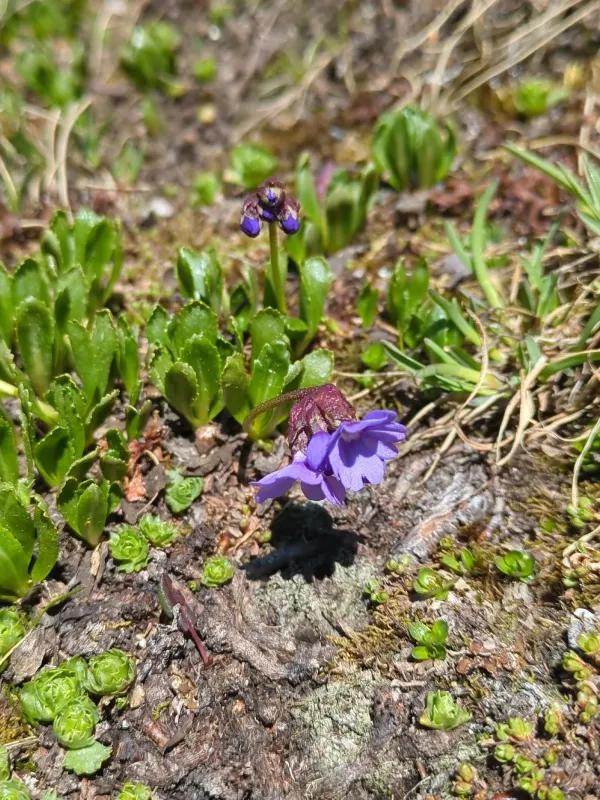
The sticky primrose belongs to the Primulaceae family and is recognized for its sticky, glandular foliage, which is an adaptation to alpine environments.
This crop thrives in acidic, gritty, and moisture-retentive soils that provide excellent drainage to prevent the crown from sitting in stagnant water.
It prefers cooler temperatures and partial shade, making it a challenging but rewarding plant for specialized alpine rock gardens or high-altitude nurseries.
Consistent moisture is required during the active growing season, but the root system must be protected from saturation to avoid physiological stress.
- Soil pH: Acidic to neutral.
- Climate: Cool summers, alpine-like conditions.
- Drainage: High, essential for root health.
Main diseases and pests
Fungal pathogens, particularly those causing root and crown rot, are the primary threats to the health of Primula glutinosa in a cultivated setting.
Excessive humidity combined with lack of air circulation creates an ideal environment for botrytis or other opportunistic fungi to infect the plant.
Gastropods, such as slugs and snails, are major pests that can rapidly defoliate the rosettes, especially during cool and rainy weather conditions.
Aphid infestations on the flower stalks can weaken the plant and reduce its aesthetic value, requiring early detection and intervention.
Using a top dressing of fine grit or gravel is an effective agricultural practice to prevent the foliage from touching damp soil and minimize infection risk.