
Bird's-eye primrose
Primula farinosa
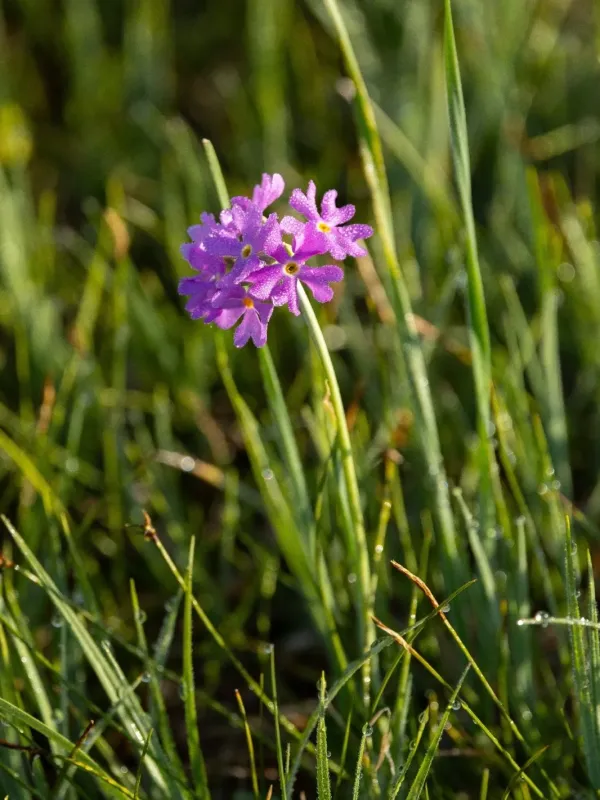
Description
Sowing dates
Sowing Bird's-eye primrose seeds is typically performed in late autumn for outdoor stratification or early spring in a controlled greenhouse environment. Cold stratification is vital for breaking seed dormancy.
The seeds should be sown on the surface of a light, moisture-retentive substrate containing peat and horticultural sand. Light is essential for germination, so seeds must not be buried deeply.
Temperature control is crucial; maintaining a cool range of 15–18 degrees Celsius ensures uniform emergence of seedlings. Higher temperatures often lead to failed germination attempts.
Once seedlings develop the first set of true leaves, they are pricked out into individual modules. Extreme care must be taken to ensure the delicate root system remains intact during this stage.
Transplanting into the permanent garden site should occur when plants are well-established. Proper spacing of 15–20 cm allows for healthy foliage development and improved air circulation.
Growing requirements
Belonging to the Primulaceae family, the Bird's-eye primrose thrives in moist, lime-rich soils. It is native to wet meadows and limestone slopes, defining its specific environmental needs.
This species requires constant soil moisture without waterlogging. Good drainage is essential, as stagnant water is the primary cause of plant failure in garden settings.
Regarding light, this plant prefers cool, semi-shaded locations. While it can handle direct sunlight in northern regions, it needs protection from the intense heat of the mid-day sun.
Cultivation practices include light weeding and consistent watering during dry spring spells. Soil fertility can be maintained by incorporating organic matter like well-rotted leaf mold or compost.
Fertilization should be handled with caution; low-nitrogen, balanced mineral fertilizers are best for encouraging flowering and maintaining the compact, rosette growth habit of the plant.
Main diseases and pests
The most common threat to this plant is root rot, triggered by poor soil aeration and excessive humidity. Maintaining proper drainage and avoiding overcrowding are the best preventive measures.
Fungal diseases, including downy mildew and botrytis, can affect foliage in environments with poor airflow. Regular inspections and removing infected leaves are essential for disease control.
Pests such as aphids and spider mites can attack the plants during warm, dry weather. Biological treatments or soft insecticidal soaps are recommended for initial infestations.
Slugs and snails often feed on the tender leaves of the primrose, particularly during wet seasons. Protective barriers or bait stations should be implemented to protect the plant.
The overall health of the crop is highly dependent on environmental sanitation and consistent monitoring, which helps mitigate pest and disease pressure early in the season.