
Clusius primrose
Primula clusiana
Description
Growing requirements
The Clusius primrose (Primula clusiana) is a perennial herbaceous plant belonging to the Primulaceae family. It originates from the high-altitude regions of the Eastern Alps, where it typically thrives on limestone substrates and rocky alpine meadows, demonstrating remarkable adaptation to harsh mountain climates.
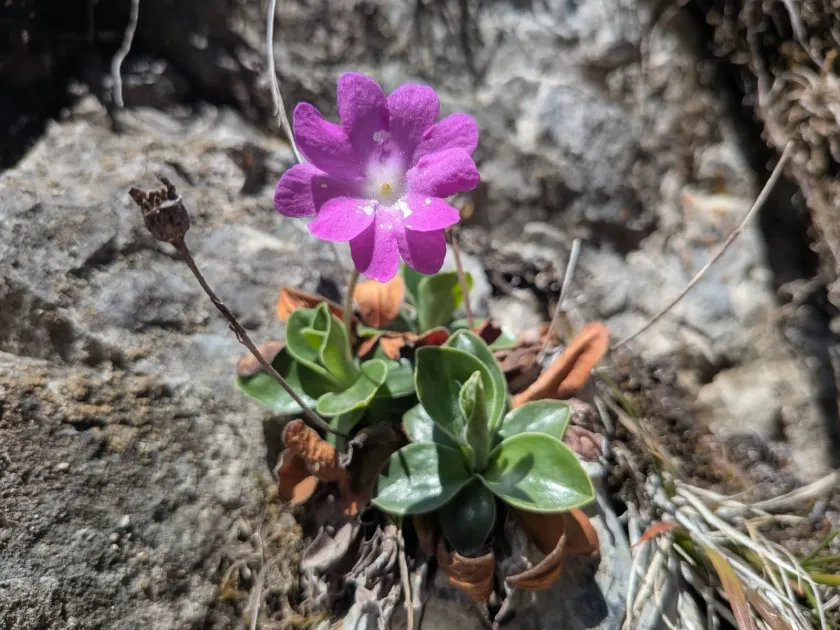
Botanically, this species is characterized by tight rosettes composed of rigid, glossy, dark green leaves with a thin, pale margin. In the flowering season, it produces striking, bright pink to magenta flowers featuring a distinct white center, which emerge on short, robust stalks during early to mid-spring.
The cultivation requirements are highly specific, as the plant demands an environment that mimics its natural alpine habitat. It performs best in regions with cool summers, plenty of light, and protection from direct, scorching afternoon sun, which can cause severe dehydration and leaf burn.
Successful management involves the use of well-drained, gritty, limestone-rich substrates. The soil must maintain a neutral to slightly alkaline pH, as the plant is sensitive to acidity and fails to thrive in heavy, waterlogged, or overly rich organic soils that lack sufficient mineral structure.
In terms of economic and practical use, the Clusius primrose is highly regarded in specialized horticulture for rock gardens and alpine houses. Its rarity and specific growth requirements make it a premium species often utilized by professional landscape designers and serious plant collectors.
Main diseases and pests
The most significant threat to the Clusius primrose is root rot, which typically develops in poorly drained soils. Excess moisture around the root crown is lethal for this species, making proper drainage design the single most critical factor in successful long-term cultivation.
Botrytis, or gray mold, can be a major issue in stagnant, humid conditions. This fungal disease spreads rapidly through the leaves and flower stalks, requiring preventative measures such as increasing air circulation and removing dead or decaying plant material immediately.
Gastropod pests, including slugs and snails, represent a persistent challenge, especially during the cool, wet weather of early spring. These pests target the succulent tissues of the rosettes, which can significantly damage the ornamental value of the plant if left unchecked.
Spider mites are known to infest the plant during hot, dry spells, causing chlorosis and weakening the plant's structural integrity. Regular inspections of the undersides of the leaves are recommended, followed by the application of appropriate acaricides if an infestation is detected.
Winter survival is threatened by damp conditions, which can lead to rotting of the central crown. To mitigate this risk, gardeners should apply a layer of fine gravel around the base of the plant to keep the foliage elevated above the wet soil surface and ensure quick drainage.