
Primula chungensis
Primula chungensis
Description
Sowing dates
Sowing Primula chungensis seeds is best performed in late autumn or early winter, allowing for natural stratification. In container gardening, seeds should be sown on the surface and kept in a cool environment, as cold temperatures are crucial for germination.
The seeds are minute and require light to germinate; therefore, they should not be buried under a thick layer of soil. A thin dusting of fine vermiculite or grit helps maintain surface humidity while allowing necessary light exposure.
Germination typically occurs over several weeks in temperatures between 15°C and 18°C. During this phase, it is vital to keep the surface consistently moist but not waterlogged to prevent fungal infections in seedlings.
Pricking out seedlings is recommended once they develop their first true leaves. Care must be taken to handle them by the leaves rather than the stems, as the root systems are quite fragile during early development stages.
Once seedlings are robust, they should be hardened off before being transplanted into their final garden positions. Late spring is the most suitable time for setting them out, provided the risk of frost has completely passed.
Growing requirements
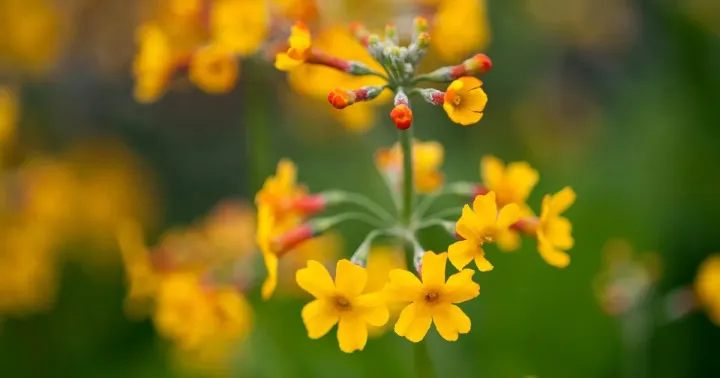
Primula chungensis is a member of the Primulaceae family, originating from the mountainous regions of Yunnan, China. It is highly valued for its tiers of vibrant, fragrant, orange-to-apricot flowers that bloom in late spring.
This species thrives in cool, damp, and shady environments, making it an excellent candidate for woodland gardens or moist borders. It requires a soil rich in organic matter, such as leaf mold or well-rotted compost, to flourish.
Drainage is essential; while the plant enjoys moisture, it cannot tolerate "wet feet" during the winter dormant season. Incorporating coarse sand or fine gravel into the planting site significantly improves soil aeration and prevents root rot.
The site selection should provide partial to full shade, especially during the hottest hours of the day. In areas with high heat, the plants must be protected from scorching, otherwise, foliage will yellow and vitality will decline rapidly.
Maintenance involves keeping the soil moist throughout the growing season. A layer of mulch, such as pine needles or wood chips, can help regulate soil temperature and retain essential moisture for the roots.
Main diseases and pests
Root rot is the most common threat to this primula species, often caused by stagnant water or excessively heavy soils. Ensuring good drainage at the bottom of the planting hole is a fundamental preventive measure.
Slugs and snails are major pests that feed on the succulent leaves of Primula chungensis. Implementing physical barriers, like crushed eggshells or copper tape, can effectively protect young plants from significant foliage damage.
Aphids may occasionally infest the flower stalks during warm and dry periods. If noticed, a gentle spray of water or an application of insecticidal soap can manage the population without harming the environment or pollinators.
Leaf spots, often caused by fungal pathogens under humid conditions, can spoil the plant's aesthetic appeal. Providing adequate spacing between plants allows for better air circulation, which reduces the incidence of these fungal issues.
Vine weevils are a more severe threat, as their larvae feed on the roots underground. If an entire plant suddenly wilts without apparent reason, check the roots for larvae and treat the soil with appropriate biological controls if necessary.