
Snow-flowered primrose
Primula chionantha
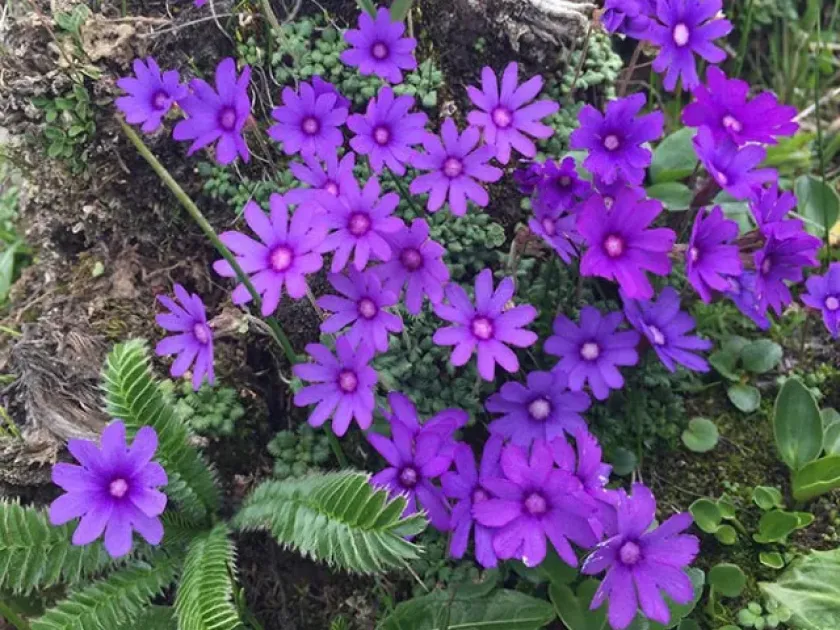
Description
Sowing dates
Sowing the seeds of the snow-flowered primrose should take place in late winter or early spring using a lightweight, peat-based seed starting mix.
Seeds require a period of cold stratification to break dormancy; keeping them in a refrigerator for 3 to 4 weeks significantly improves germination rates.
Surface sow the seeds, pressing them gently into the moist substrate without covering them, as they need exposure to light to initiate the germination process.
Keep the sowing trays in a bright, cool area with consistent temperatures between 15 and 18 degrees Celsius until the seedlings develop true leaves.
Transplanting seedlings to their final outdoor location should be done once all danger of frost has passed, ensuring they are gradually hardened off before planting.
Growing requirements
The snow-flowered primrose belongs to the Primulaceae family and is native to alpine regions, requiring a cool, moist climate to thrive successfully in garden settings.
Choose a planting site that offers partial shade, as the intense midday sun can easily scorch the delicate foliage and inhibit the flowering process.
The soil should be rich in organic matter, well-draining yet capable of holding consistent moisture, which is vital for the health of this moisture-loving species.
Regular irrigation is essential during the growing season; the plant should never be allowed to dry out completely, as this leads to immediate stress and wilting.
During the dormant period, protecting the crown with a layer of leaf mulch or evergreen branches helps regulate soil temperature and protects against winter desiccation.
Main diseases and pests
Fungal infections such as crown rot and gray mold (Botrytis) are common threats, especially when planting density is too high, leading to poor air circulation.
Slugs and snails find the succulent leaves of the primrose particularly attractive, necessitating the use of deterrents or manual removal in damp, shaded spots.
Aphids may occasionally infest the flower stalks during warm spells, which can be managed by using gentle insecticidal soaps or water sprays.
Root rot, often caused by heavy, poorly draining clay soils, is a major risk, emphasizing the importance of providing proper drainage at the time of planting.
Keeping the garden area weed-free and removing any damaged or decaying foliage helps reduce the risk of pathogen buildup around the base of the plant.