
Primula cernua
Primula cernua
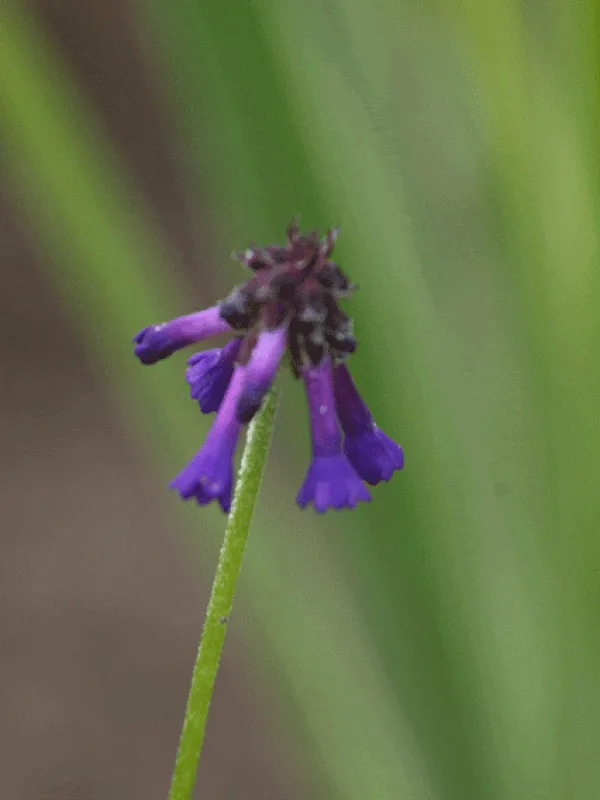
Description
Sowing dates
Primula cernua is primarily propagated through seeds, as the plant is sensitive to physical division. Sowing should be done in a well-draining, humus-rich substrate to ensure optimal development of the young root system.
Seeds require a cold stratification period of at least 4–6 weeks at temperatures around +2°C to +4°C. This naturalizing process is critical for breaking seed dormancy and achieving uniform germination rates.
When sowing, seeds should be surface-sown as they require light to germinate. A light dusting of fine vermiculite is sufficient to keep them in place while allowing adequate light penetration for the embryos.
Seedlings should be kept in a cool, bright location away from direct sunlight. Consistent humidity is vital, as the small seedlings have very delicate roots that suffer immediately if the soil dries out completely.
Once the plants have established several sets of true leaves, they can be hardened off and transplanted to their final location in the garden, ideally during the cool weather of spring or early autumn.
Growing requirements
Belonging to the Primulaceae family, Primula cernua originates from high-altitude regions in China. It is a specialist alpine plant that thrives in cool temperatures and well-ventilated mountainous environments.
The ideal soil for this species is a gritty, porous mix that holds moisture but allows excess water to drain away rapidly. Heavy clay soils must be amended with organic matter and drainage materials like perlite.
Light requirements involve partial shade throughout the day. While the plant appreciates bright conditions, it is susceptible to leaf scorch if exposed to intense, direct afternoon sun for prolonged periods.
Consistent moisture is the key to healthy growth. The plant prefers the soil to be damp but never saturated, reflecting the misty, cool conditions of its natural alpine habitat in the wild.
During the dormant season, it is crucial to keep the crown of the plant relatively dry to prevent winter rot, especially in climates with high humidity or frequent precipitation throughout the winter months.
Main diseases and pests
Fungal pathogens, particularly those causing root and crown rot, are the most significant threat to Primula cernua. These typically emerge in stagnant, overly wet conditions with poor air circulation.
Pests such as aphids and spider mites frequently target the succulent leaves of the plant. Regular monitoring of the underside of the foliage is recommended to catch infestations before they spread significantly.
Slugs and snails pose a major threat to the foliage and flower buds, particularly in wet spring conditions. Physical barriers like crushed eggshells or copper tape can be effective deterrents in smaller garden settings.
Nematode infestations can also inhibit root development and lead to poor plant vigor. If a plant shows signs of stunted growth without other obvious causes, the roots should be inspected for galls or damage.
To maintain plant health, it is essential to ensure adequate spacing between individual plants to improve airflow and to remove any dead or decaying foliage promptly to minimize the risk of fungal outbreaks.