
Calder's Primrose
Primula calderiana
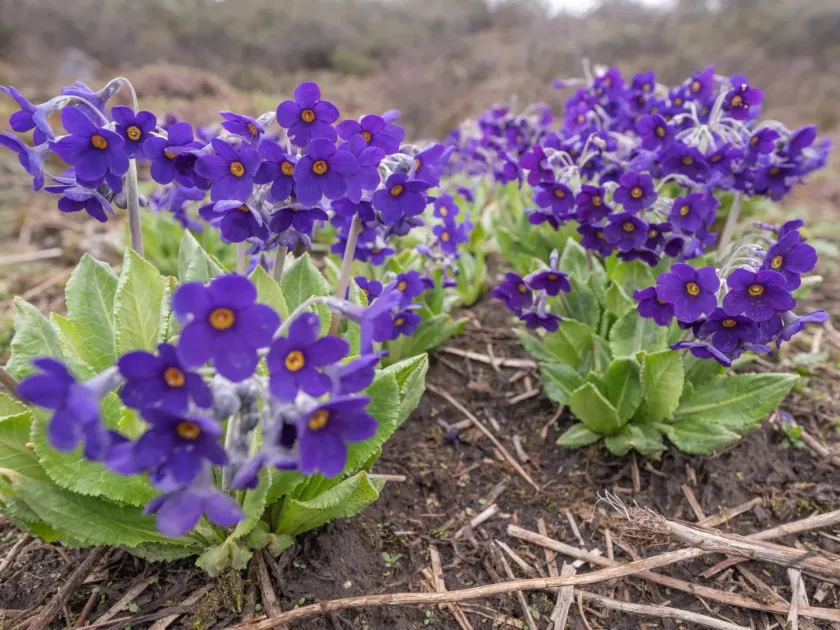
Description
Sowing dates
Growing Calder's Primrose from seed requires a period of cold stratification to break dormancy. Seeds should be sown in late winter or early spring in a cool environment.
The substrate must be kept consistently moist but not waterlogged. Using a fine-textured, peat-based mix provides the best conditions for the tiny seeds to germinate successfully.
Seedlings develop slowly, so patience is essential. Once the first true leaves appear, they should be carefully pricked out into individual small pots to encourage strong root development.
Avoid excessive heat during the germination process; maintaining temperatures between 10 and 15 degrees Celsius is ideal for robust early growth of the young primula plants.
Hardening off the plants before transplanting into the garden is a crucial step. Gradually acclimatizing them to outdoor conditions over two weeks prevents transplant shock.
Growing requirements
Primula calderiana belongs to the Primulaceae family and originates from the high-altitude regions of the Himalayas, where it thrives in cool, moisture-rich climates.
The ideal soil for this plant is well-draining, slightly acidic, and rich in organic matter. Adding grit or coarse sand ensures that water flows away from the crown, preventing rot.
Partial shade is necessary for the plant's health, particularly during the peak of summer. Excessive direct sunlight can cause leaf scorching and dehydrate the delicate foliage.
Consistent moisture is key to the success of Primula calderiana. Watering should be regular, especially during the flowering season and dry spells, to mirror its natural habitat.
During the winter, the plants enter a dormant phase and appreciate a layer of mulch, such as pine needles or light compost, to protect them from extreme temperature fluctuations.
Main diseases and pests
Root rot is the most common threat to this species, typically caused by poor drainage or overwatering. Maintaining a sharp-draining soil mix is the primary line of defense.
Slugs and snails are the most significant pests for Calder's Primrose, as they are attracted to the lush, damp foliage during the growing season, requiring active management.
Powdery mildew can occasionally affect the leaves if the plant is grown in areas with stagnant air. Providing good ventilation around the plants significantly reduces this risk.
Aphids can appear on the undersides of leaves during warm weather. Monitoring and manual removal or the use of insecticidal soap are effective control methods for this pest.
Maintaining a clean garden bed by removing debris and decaying leaves helps to reduce the habitat for many common pests and prevents the spread of soil-borne diseases.