
Bulley's primrose
Primula bulleesiana
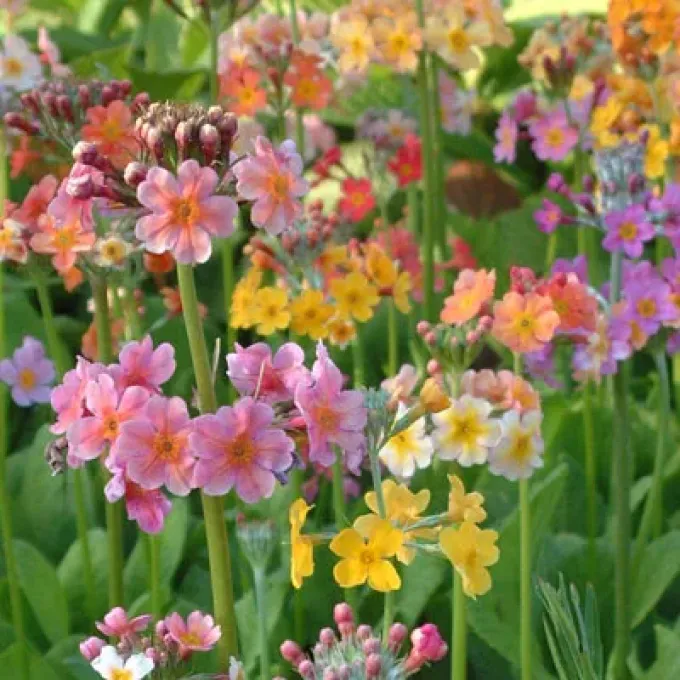
Description
Sowing dates
Seeds of Primula bulleesiana possess a dormancy period that necessitates cold stratification before germination. Sowing should ideally take place in late winter, placing the seed trays in a refrigerator or cold frame for several weeks to break dormancy.
Use a sterile, well-draining seed-starting mix. The seeds should be surface-sown or covered with a very fine layer of vermiculite, as they require light to germinate. Maintain a steady moisture level, ensuring the medium does not dry out during the germination process.
Seedlings develop relatively slowly and should be pricked out into individual pots once they reach the two-leaf stage. Ensure they receive bright, indirect light to prevent the plants from becoming leggy or weak during their early development stages.
Acclimatization, or hardening off, is crucial before transplanting the young primroses into the garden. Gradually expose them to outdoor conditions over a week to prevent transplant shock, especially if they have been raised in a controlled greenhouse environment.
Transplanting is best performed in the spring once the threat of heavy frost has passed. Planting them in a garden bed with fertile, moisture-retentive soil will encourage strong root growth before the heat of midsummer arrives.
Growing requirements
Primula bulleesiana, belonging to the Primulaceae family, is a hybrid candelabra primrose originating from the mountainous regions of Southwest China. It is highly valued for its striking, whorled flower spikes that add vertical interest to garden borders.
This species thrives in rich, organic, and consistently moist soil. It is an excellent choice for damp garden areas, such as the margins of ponds or streams, where its water requirements can be easily met throughout the growing season.
Provide a location with partial shade, ideally where the plants are protected from intense afternoon sun. While they can tolerate some sun if soil moisture is abundant, filtered light through deciduous trees is generally preferred for optimal health.
Mulching is a standard practice in the care of this primrose. Applying a layer of organic mulch, such as leaf mold or compost, helps to retain soil moisture, suppress weed growth, and protect the roots from extreme temperature fluctuations.
During winter, ensure that the crown of the plant is not sitting in waterlogged soil to prevent rot. A light layer of mulch or horticultural fleece can be beneficial in colder climates to provide extra protection against harsh winter frost.
Main diseases and pests
Gray mold (Botrytis) is a significant concern for Primula bulleesiana, particularly in humid or crowded conditions. Improving air circulation around the plants and avoiding overhead irrigation can help reduce the incidence of this fungal pathogen.
Root rot is often a result of poor drainage or over-saturated soil during the dormant season. Ensuring the soil structure allows for adequate aeration and water movement is the most effective preventative measure against root decay.
Slugs and snails are the most notorious pests for this plant, often feeding on the succulent foliage and flower buds overnight. Gardeners can use physical barriers, traps, or iron phosphate baits to manage these populations effectively.
Aphids and spider mites may appear during periods of high temperature and low humidity. Regular inspection of the undersides of the leaves is advised, followed by the use of insecticidal soap if an infestation is detected.
In some regions, vine weevil larvae can feed on the roots of the primrose, causing sudden collapse of the plant. If severe infestations occur, applying biological control agents like nematodes can be an environmentally safe way to address the issue.