
Auricula primrose
Primula auriculata
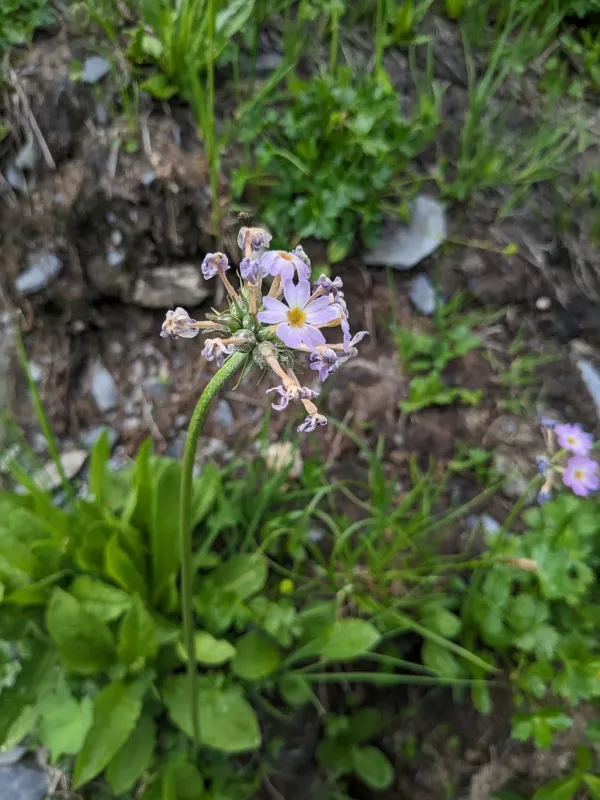
Description
Sowing dates
Sowing seeds of the Auricula primrose (Primula auriculata) is typically done in late winter or early spring. The seeds require a period of cold stratification to break dormancy and ensure high germination rates, making them ideal for early indoor sowing.
For best results, use a light, well-draining seed-starting mix, primarily composed of peat and perlite or sand. Seeds should be sown on the surface and only lightly dusted with fine substrate, as they require some exposure to light to germinate effectively.
Maintaining a temperature range of 15–18 degrees Celsius is optimal for the germination process. Once the seedlings develop two or three sets of true leaves, they should be carefully pricked out and transplanted into individual small pots for further growth.
Moving the young plants to their permanent outdoor location should be delayed until the risk of frost has passed in the spring. Space the plants approximately 20–25 centimeters apart to provide enough room for healthy rosette development.
Alternatively, plants can be propagated vegetatively through division. This process is best performed early in the spring before the blooming season or in late summer, ensuring each division has a healthy root system and growing points.
Growing requirements
Auricula primrose thrives in locations that offer partial shade, protecting it from the harsh midday sun. These plants are excellent choices for north-facing alpine gardens or woodland edges where the environment remains consistently cool.
The soil should be fertile, loose, and possess a neutral to slightly acidic pH. The structure must be porous enough to allow excess water to escape rapidly, as these plants do not tolerate heavy, waterlogged clay soils.
Effective drainage is the most critical factor for the long-term success of the plant. If the local soil is heavy, incorporating grit or coarse sand during the planting phase is essential to prevent root rot and crown decay.
While the plants need steady moisture, they should never be kept soggy. Water should be applied at the base of the plant, carefully avoiding the center of the leaf rosette, where moisture can easily trigger fungal issues or rotting.
Routine fertilization should be done with a balanced, low-nitrogen fertilizer during the active growing season. Excessive nitrogen can cause rapid, weak foliage growth and make the plant more susceptible to diseases and winter damage.
Main diseases and pests
Fungal diseases are the primary threat to Auricula primrose, particularly gray mold or root rot caused by poor soil drainage or excessive humidity. Regular monitoring and improvement of air circulation around the plants help mitigate these risks.
Powdery mildew can occasionally affect the foliage, especially in stagnant air conditions or during late summer. Applications of fungicides or sulfur-based sprays are generally effective in managing the spread of the infection.
Slugs and snails are notorious pests that feast on the tender leaves of the plant. Utilizing physical barriers such as crushed eggshells, gravel, or specialized bait traps around the base can effectively protect the plants from these mollusks.
Spider mites can become a nuisance during periods of extreme heat and low humidity. If damage occurs, using miticides or increasing the humidity around the plants can help stop the infestation from spreading to other parts of the garden.
Maintaining a clean garden environment is vital for plant health. Regularly removing dead or decaying leaves helps prevent the accumulation of pathogens and ensures the primrose remains vigorous throughout the year.