
Apennine primrose
Primula apennina
Description
Sowing dates
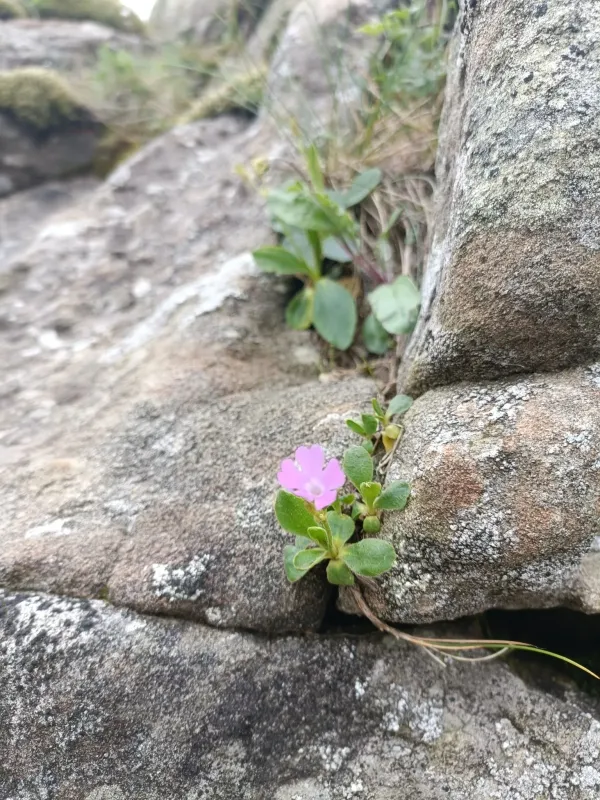
The Apennine primrose (Primula apennina) is a perennial flowering plant belonging to the Primulaceae family. It is a rare endemic species native to the rocky habitats of the Apennine Mountains.
Propagation is typically done through seeds which require a period of cold stratification to break dormancy. Sowing is best performed in late autumn in a controlled environment to mimic natural cycles.
The growing medium for seeds should be a porous, grit-based soil mix. Seeds should be sown on the surface and lightly dusted with sand to ensure adequate moisture retention without burying them.
Vegetative propagation involves careful division of the root system. This should be carried out after the flowering phase, ensuring that each division retains a portion of healthy roots and growing points.
Growth is characteristically slow for this species, requiring a consistent, moderate environment throughout the initial development stages of the seedlings.
Growing requirements
This species thrives in cool, alpine conditions and requires a location with bright, indirect sunlight. Protecting the plants from intense midday heat is critical for their survival.
Soil requirements are strict: the substrate must be free-draining and mineral-rich. Incorporating gravel or volcanic rock fragments into the planting medium is highly recommended for success.
The plant prefers neutral to slightly acidic soil conditions. It is extremely sensitive to waterlogging, which often leads to rapid deterioration of the plant's root system.
Humidity management is essential; however, the leaves should remain dry during irrigation to prevent fungal issues. Watering should be targeted at the root zone only.
Fertilization should be applied sparingly, using balanced, low-nitrogen fertilizers. Excess nutrients can lead to succulent growth that is more prone to environmental stress.
Main diseases and pests
Root rot is the most significant threat to Primula apennina. Proper drainage and avoiding overwatering are the primary methods to prevent this lethal condition.
Spider mites are common pests that thrive in dry air. Regular monitoring and maintaining appropriate humidity levels are effective strategies for keeping infestations at bay.
Aphids can cause damage to developing flower buds and foliage. Prompt action with mild insecticidal soaps can manage these populations without harming the plant.
Slugs and snails often feed on the fleshy leaves during humid weather. Protective barriers such as copper tape or organic molluscicides are recommended for high-risk areas.
Fungal leaf spots can occur if airflow is poor. Improving spacing and ensuring a breezy, airy environment helps mitigate these types of infections effectively.