
Primula anisodora
Primula anisodora
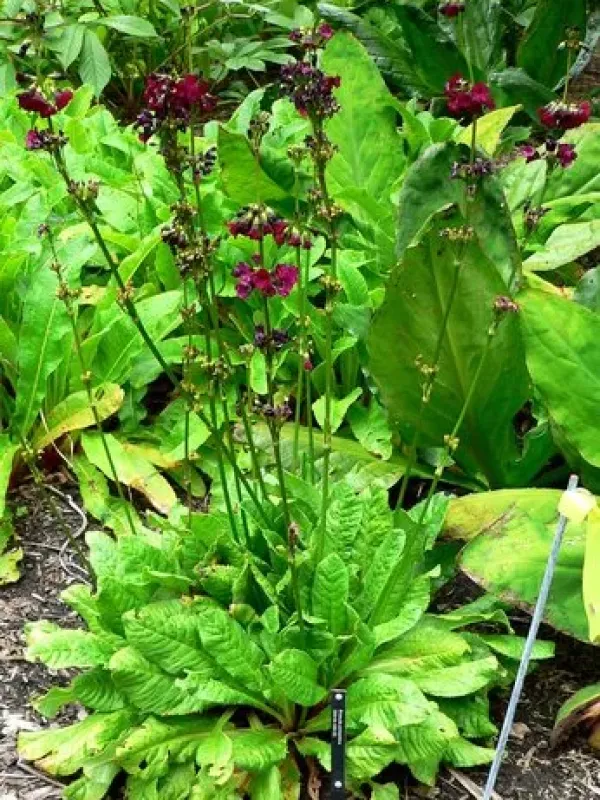
Description
Sowing dates
The propagation of Primula anisodora is typically achieved through seeds sown in late winter or early spring. Seeds require a period of stratification to break dormancy, so it is recommended to keep containers in a cool environment for several weeks before moving them to warmer conditions.
Optimal germination occurs at temperatures between 15 and 18 degrees Celsius. Maintaining consistent moisture in the growing medium is crucial; the soil must not dry out completely during the germination process, as this can severely hinder seedling emergence.
Seedlings should be pricked out once the first pair of true leaves has fully developed. As growth is relatively slow, providing adequate light is essential to ensure that the young plants develop strong, sturdy stems rather than becoming elongated and weak.
Transplanting into the garden should only take place once the risk of spring frost has entirely passed. Mid-to-late May is generally the safest window, allowing the plants to establish themselves in the garden soil before the onset of summer heat.
Vegetative propagation via division of established clumps can be performed immediately after flowering or in late summer. This timing allows the plant to recover and establish new roots before the onset of the dormant season.
Growing requirements
Primula anisodora belongs to the Primulaceae family. Native to the mountainous regions of Southwest China, it naturally inhabits damp, shaded alpine meadows, which dictates its specific environmental preferences in cultivation.
This species thrives in rich, humus-dense soils that maintain moisture but also provide excellent drainage. In heavy clay soils, it is highly recommended to incorporate organic matter and grit to prevent root rot during winter months.
Partial shade is the ideal environment for this primrose. It requires protection from the harsh afternoon sun, which can scorch its leaves; therefore, planting beneath the canopy of deciduous trees or in east-facing borders is often the best choice.
Regular watering is mandatory, especially during the active growth phase in spring and summer. The substrate should be kept consistently moist but never waterlogged, as stagnant water is a primary cause of failure for this species.
For fertilization, a balanced, low-nitrogen liquid feed is ideal. Applying compost around the base of the plant in early spring enhances soil structure and provides a slow-release source of nutrients that supports healthy development.
Main diseases and pests
Slugs and snails are the most significant pests for Primula anisodora, as they are attracted to the soft, lush foliage. Using copper barriers or organic slug pellets is often necessary to prevent severe damage during the moist growing season.
Grey mould (Botrytis) can become a problem if there is poor air circulation or excessive leaf wetness. Ensuring proper plant spacing and avoiding overhead watering helps to mitigate the risk of fungal outbreaks.
Rust can occur, appearing as unsightly spots on the foliage. Early intervention, including the removal of infected leaves and the application of appropriate systemic fungicides, is vital to prevent the spread of the pathogen.
Aphids may occasionally infest the plant, particularly in the spring. Regular monitoring of the leaf undersides and the use of insecticidal soap can effectively manage populations before they cause significant stress to the host plant.
Root rot is often a consequence of poor drainage or overwatering. Maintaining the correct soil conditions and ensuring the crown of the plant is not buried too deeply are essential preventative measures against this issue.
Harvesting
The primary use of Primula anisodora is in ornamental horticulture. Its unique, tiered deep purple-maroon flowers provide a striking vertical element, making it a highly desirable choice for garden enthusiasts and landscape designers.
It performs exceptionally well in shade gardens, near the edges of water features, or within alpine rockeries. It is frequently paired with shade-loving companions such as ferns, hostas, and other moisture-tolerant perennials.
Seed collection should be timed for when the seed capsules have turned brown and started to dry out. It is important to harvest before the capsules naturally split, which would result in the loss of seeds to the ground.
Collected seeds must be dried in a well-ventilated area away from direct light and stored in paper envelopes. Keeping them in a cool, dark place ensures they remain viable for the following season's sowing cycle.
Post-flowering maintenance involves the removal of spent flower stalks. This process prevents the plant from expending energy on seed production, instead encouraging the development of robust leaf rosettes and stronger root systems for overwintering.