
Alpine primrose
Primula alpicola
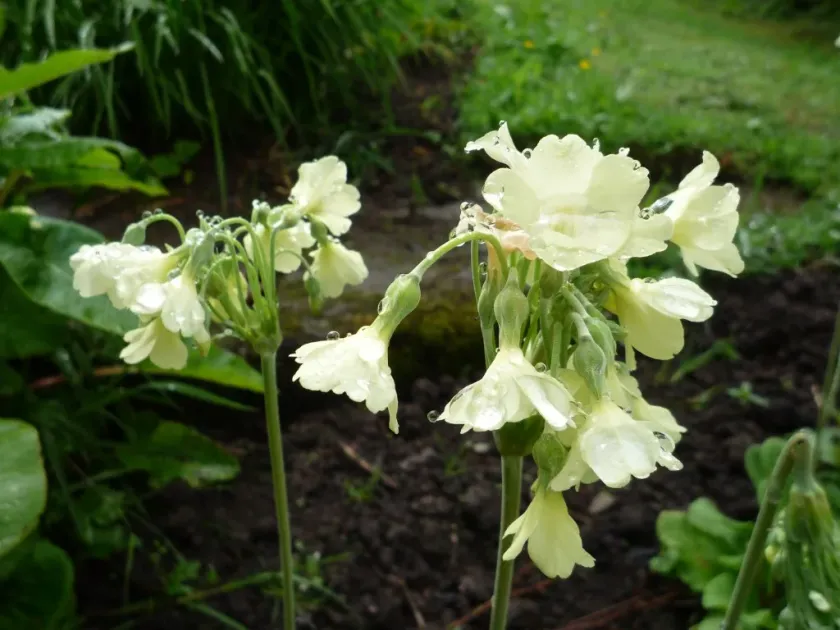
Description
Sowing dates
Seeds of Primula alpicola should be sown in late winter to early spring. Because the seeds require a period of cold dormancy to germinate, they must undergo a stratification process before they will sprout successfully.
To stratify, place the sown seeds in a refrigerator or a cold frame at temperatures between 0 and 5 degrees Celsius for about three to four weeks. This step mimics the natural mountain winter conditions.
After the chilling period, move the containers to a bright, cool location with indirect sunlight. Keep the soil moist but not waterlogged to ensure the delicate seedlings can establish their roots.
Once seedlings have developed at least two true leaves, they should be carefully pricked out and transplanted into individual pots to grow on before being planted into the garden.
Final transplanting into the garden should occur once the risk of severe frost has passed. Planting in a prepared border with rich, moisture-retentive soil will help the young plants settle quickly.
Growing requirements
Primula alpicola is a perennial flowering plant belonging to the Primulaceae family. It is native to the high-altitude meadows of Tibet and the Himalayas, which dictates its preference for cool conditions.
This plant thrives in moist, well-draining soil that is rich in organic matter. While it loves moisture, it is crucial to avoid boggy conditions that could lead to crown rot in the plant.
In terms of light, the Alpine primrose performs best in partial shade. It does not tolerate full, scorching sun, which can cause leaf burn and rapid moisture loss from the soil and foliage.
The climate requirements for this species are best met in areas with cool, moderate summers. In warmer regions, extra attention must be paid to providing shade and adequate irrigation throughout the growing season.
Regular applications of mulch, such as compost or leaf mold, are beneficial. This practice helps to regulate soil temperature and ensures that moisture levels remain consistent throughout the day.
Main diseases and pests
Slugs and snails are the most common pests for Primula alpicola, particularly in damp, shaded environments. Gardeners often use organic barriers or traps to protect the tender foliage from these gastropods.
Root rot caused by fungal pathogens is a significant threat, especially when soil drainage is inadequate. Ensuring that the planting site has good structure and does not hold standing water is the best prevention.
Aphids can occasionally infest the flower stalks during the peak of the blooming season. Early detection and treatment with insecticidal soap are usually effective in controlling these minor infestations.
Powdery mildew may appear on the leaves if the air circulation is poor or if the plants are placed too close together. Improving spacing and airflow is essential to keep the foliage healthy and vigorous.
Leaf spots caused by various fungi can be problematic during periods of prolonged high humidity. Removing affected leaves and maintaining general garden hygiene helps to stop the spread of infection.