
Myrsine coriacea
Myrsine coriacea
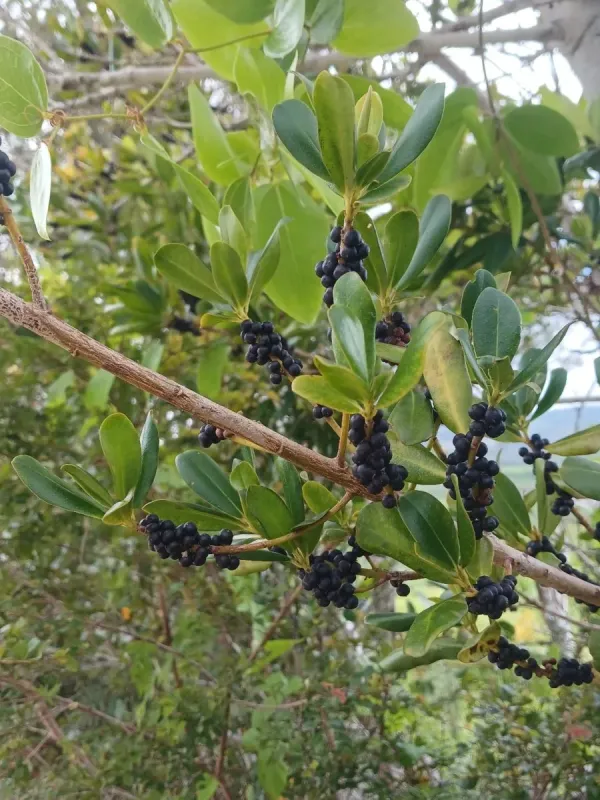
Description
Growing requirements
Myrsine coriacea is a member of the Primulaceae family. It is an evergreen tree or large shrub known for its dense foliage and adaptability, making it a valuable species in various tropical and subtropical landscapes across Central and South America.
The plant thrives in regions with consistent rainfall and well-drained, nutrient-rich soils. It exhibits a preference for slightly acidic to neutral soil pH levels, where organic matter is readily available, ensuring vigorous root system development and overall health.
Regarding light conditions, Myrsine coriacea performs best in filtered sunlight or partial shade. While it can withstand higher light intensity, prolonged exposure to harsh, direct midday sun may cause the thick, leathery leaves to curl or lose their characteristic deep green pigmentation.
The ideal temperature range for this species is between 18 and 26 degrees Celsius. It is relatively sensitive to frost, which limits its outdoor cultivation to temperate regions or protected environments where temperatures do not drop significantly below freezing point.
Agrotechnical maintenance includes consistent watering practices. It is crucial to maintain moisture in the root zone without creating waterlogged conditions, which could be detrimental to the plant. Regular mulching is recommended to preserve soil moisture and stabilize root temperatures.
Yield
The primary economic use of Myrsine coriacea lies in its role in landscaping and forest rehabilitation. Its dense growth habit makes it an excellent choice for hedge planting and windbreaks, providing both aesthetic appeal and environmental protection against erosion.
The timber of this tree is known for its durability and hardness. Although it is not a primary source for mass commercial logging, it is utilized in local woodworking, providing high-quality raw material for small-scale construction projects and decorative handicrafts.
As a key ecological component, the fruits of Myrsine coriacea serve as a critical food resource for diverse avian species. This makes it an ideal candidate for reforestation projects, where supporting local biodiversity and restoring food chains are primary objectives.
Recent studies have highlighted the potential of the plant's phytochemicals for pharmaceutical applications. The bioactive compounds found in the leaves and fruit are currently under investigation for their potential use in creating natural medicinal remedies.
When managed as a plantation crop, productivity is evaluated based on biomass accumulation and fruit yield. Careful pruning and thinning practices can significantly enhance the development of lateral branches, increasing the total surface area and fruit-bearing capacity of the specimens.
Main diseases and pests
The most common threats to Myrsine coriacea are fungal pathogens, specifically those causing leaf spot diseases. These are often triggered by high humidity, poor air circulation, and overcrowded planting conditions, which prevent leaves from drying properly.
Pests such as aphids and scale insects are significant challenges. They colonize the undersides of leaves and young stems, extracting sap and weakening the plant's structure. These infestations often lead to the development of sooty mold, which impairs the plant's photosynthetic capability.
Effective pest control involves a combination of integrated pest management (IPM) techniques. Regular inspections and the use of insecticidal soaps or systemic pesticides are essential to manage populations before they cause significant damage to the tree's architecture.
Root rot, primarily caused by Phytophthora species, is a severe risk in poorly drained soil. If left unmanaged, the infection destroys the root system, preventing the tree from absorbing water and nutrients, which eventually leads to the wilting and death of the plant.
To prevent disease outbreaks, agricultural practitioners should ensure proper spacing during the establishment phase. Maintaining a clear space around the tree facilitates better airflow, which significantly reduces the risk of fungal infections and creates a healthier growing environment.