
Myrsine capitellata
Myrsine capitellata
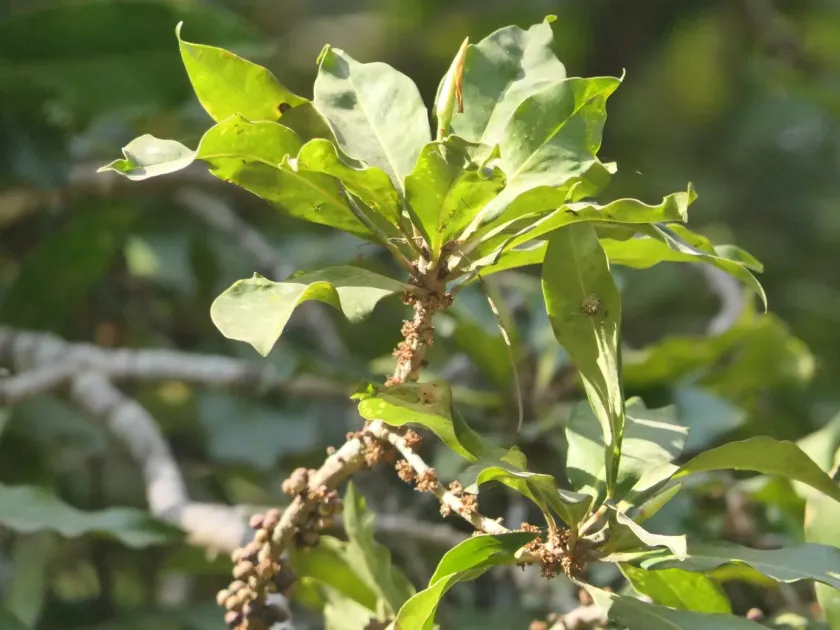
Description
Growing requirements
Myrsine capitellata is a prominent evergreen shrub or small tree belonging to the Primulaceae family. Native to the mountainous regions of South and Southeast Asia, this species thrives in high-altitude environments characterized by consistent moisture.
The plant exhibits distinct botanical features, including leathery, lanceolate leaves and compact growth habit. Its ability to maintain deep green foliage throughout the year makes it a sought-after specimen for specialized horticultural collections.
Cultivation requirements for Myrsine capitellata emphasize the need for well-draining, humus-rich soil. The root system is sensitive to waterlogging, necessitating a substrate that balances moisture retention with efficient aeration.
Regarding climate, the plant prefers temperate to subtropical conditions. It is not frost-hardy, which restricts its outdoor cultivation to regions with mild winters or requires protection in greenhouse environments during cold seasons.
Optimal light exposure for this species is partial shade. Intense, direct sunlight can cause leaf scorching, whereas insufficient light leads to sparse branching and loss of the characteristic foliage density.
Main diseases and pests
Common threats to Myrsine capitellata include fungal infections that manifest under conditions of poor air circulation and excessive humidity. Regular monitoring is essential to prevent root rot.
Pests such as scale insects and spider mites can occasionally affect the plant, particularly in sheltered or indoor environments where natural predators are absent. Integrated pest management strategies should be applied.
Management involves periodic inspection of the undersides of leaves and the stems for early signs of infestation. Using horticultural oils or insecticidal soaps can be effective for localized control.
Proper sanitation, including the removal of fallen debris and pruning of affected branches, helps minimize the risk of disease spread within a collection or greenhouse setting.
Maintaining balanced nutrition is also a preventive measure, as robust, healthy plants exhibit higher natural resistance to common pathogens and pest pressure throughout the year.