
Lysimachia wildpretii
Lysimachia wildpretii
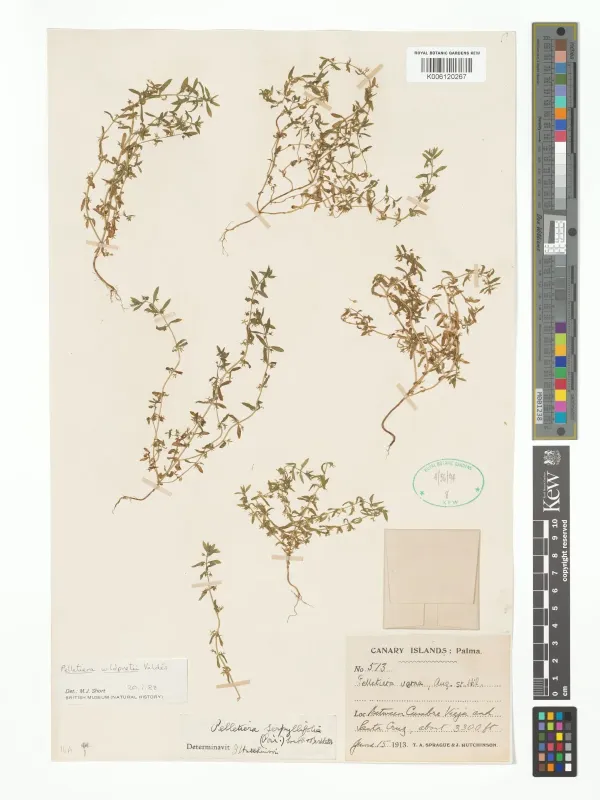
Description
Growing requirements
Lysimachia wildpretii, belonging to the Primulaceae family, is an ornamental plant native to the Canary Islands. It is characterized by its specific morphological traits and high requirements for stable environmental conditions, making it a sought-after species for specialized gardens.
The plant thrives in bright, filtered light. Exposure to intense, direct midday sun should be avoided to prevent leaf scorch and dehydration. Proper placement is essential for maintaining its vibrant foliage and healthy development.
Well-drained, nutrient-rich soil is a prerequisite for successful cultivation. The substrate should be slightly acidic to neutral, ensuring that water passes through freely to prevent root rot, which is the most common cause of plant failure.
Temperature management is critical for this species. It prefers temperatures between 18 and 24 degrees Celsius. Given its tropical origins, it cannot survive freezing temperatures and must be protected during cold seasons in temperate climates.
Humidity levels should remain consistent. Regular misting or the use of a humidity tray is recommended if the ambient air is too dry. Watering should be deep but infrequent, allowing the top layer of soil to dry out before the next application.
Main diseases and pests
Root rot and fungal infections are the primary threats to Lysimachia wildpretii. These issues are almost always caused by overwatering or inadequate soil aeration, which prevents the roots from accessing necessary oxygen.
Spider mites and aphids are the most frequent pests affecting the plant. These insects thrive in dry environments and can quickly damage the plant by extracting sap from the tender foliage and stems.
To maintain plant health, it is essential to provide good airflow around the foliage. This simple practice significantly reduces the risk of fungal growth and discourages certain types of insects from settling on the plant.
In case of pest infestation, horticultural oils or insecticidal soaps are recommended as a first line of defense. They are effective against mites and aphids while being relatively gentle on the plant itself.
Regular monitoring of the soil moisture and leaves is the best proactive strategy. By identifying early signs of distress, gardeners can adjust care routines immediately and avoid the need for harsh chemical treatments.