
Lysimachia tyrrhenia
Lysimachia tyrrhenia
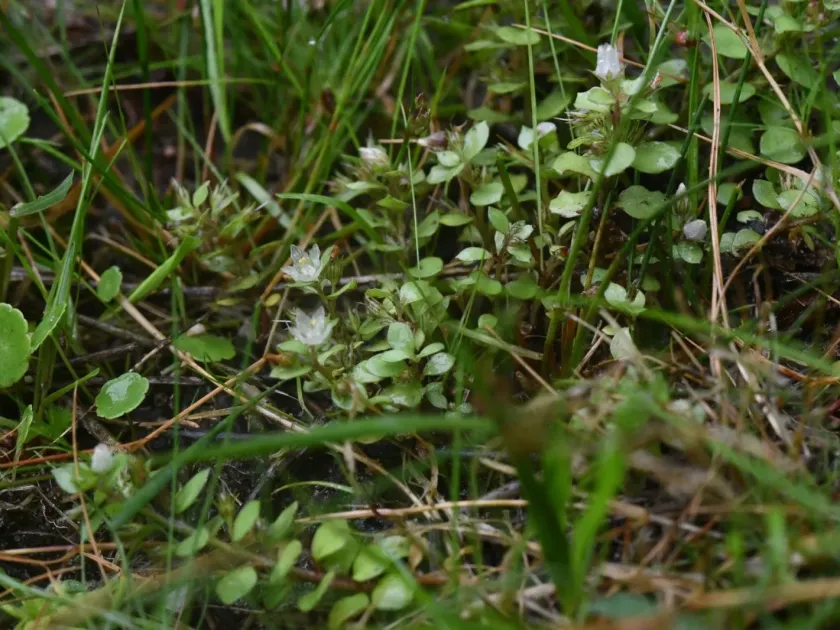
Description
Growing requirements
Lysimachia tyrrhenia belongs to the Primulaceae family. It is a perennial herbaceous plant naturally occurring in the western Mediterranean region, specifically native to islands within the Tyrrhenian Sea.
For successful cultivation, the crop requires moist yet well-draining soils rich in organic matter. An optimal pH level for the substrate should be neutral or slightly acidic to ensure efficient nutrient uptake.
The plant prefers semi-shaded locations protected from direct, intense midday sunlight. Exposure to excessive light during hot periods can lead to tissue dehydration and a decline in foliage quality.
The temperature range must be temperate. The plant does not tolerate extreme heat or harsh frosts well, so in regions with cold winters, it requires reliable protection or cultivation in protected environments.
Agrotechnical maintenance focuses on consistent irrigation during the growing season. While the species thrives in moist conditions, water stagnation must be avoided to prevent root rot issues.
Main diseases and pests
The primary threats to this culture are fungal diseases, which thrive in conditions of high humidity. Powdery mildew frequently affects the vegetative mass when air circulation around the plants is poor.
Root rots, caused by pathogens of the genera Phytophthora and Pythium, pose a significant threat when irrigation regimes are mismanaged. Prevention includes installing proper drainage and maintaining adequate spacing.
Slugs and snails cause the most notable damage, especially during wet seasons. These mollusks can rapidly defoliate young shoots and leaves, hindering the plant's growth.
Aphids may infest the tips of young shoots during active growth phases, feeding on plant sap and weakening the development of the lysimachia. Biological insecticides or manual removal are common control methods.
Spider mites can emerge during low humidity in greenhouses or indoor settings. Regular misting helps keep the population of this pest under control during early infestation stages.