
Lysimachia tenella
Lysimachia tenella
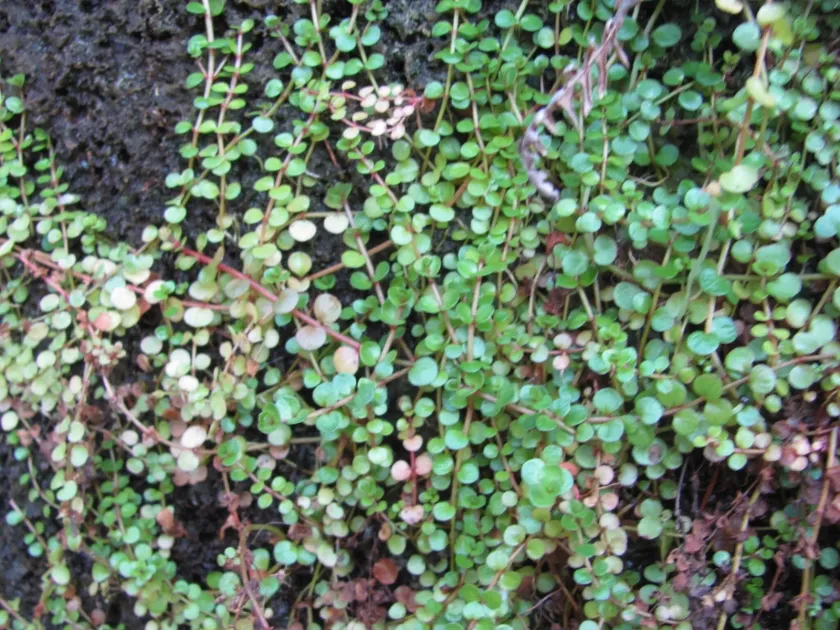
Description
Sowing dates
Planting Lysimachia tenella is typically performed in the spring, once the threat of frost has passed and the soil has sufficiently warmed. The ideal window is between April and early May, allowing the plants to establish themselves before the onset of summer temperatures.
Vegetative propagation is the most efficient method for this species. Dividing the clumps or using rooted cuttings allows for rapid expansion. When creating a ground cover, spacing fragments about 20 to 30 centimeters apart ensures a dense mat within a single season.
Seed sowing is less common but possible. Seeds should be sown in trays in late winter, requiring a period of cold stratification to break dormancy. Once seedlings emerge, they are hardened off and transplanted into the garden in late spring.
When direct seeding, it is crucial to sow on the surface as the seeds require light to germinate. Pressing them gently into the moist medium ensures proper contact without burying them too deeply, which could inhibit the emergence process.
Proper soil preparation, including loosening the top layer and incorporating compost, is vital. Creating a favorable environment for the root system during the initial growth phase significantly increases the survival rate and density of the future ground cover.
Growing requirements
Lysimachia tenella, a member of the Primulaceae family, is a creeping perennial known for its delicate habit. It is native to Western Europe, where it naturally colonizes damp habitats, including meadows and the margins of brooks and ponds.
The primary requirement for this crop is consistent moisture. It thrives in soils that remain damp throughout the year, provided there is no stagnant water. It is an ideal choice for rain gardens or damp borders where other plants might struggle due to high humidity.
Fertile, loamy soils with a neutral to slightly acidic pH are optimal. While the plant is adaptable, it performs poorly in sandy, excessively drained soils that lose moisture rapidly, as the shallow root system is prone to dehydration under such conditions.
The plant prefers partial shade or dappled light. Intense midday sun can be detrimental, leading to leaf scorching and increased water demand. Providing a sheltered position allows the plant to maintain its vibrant green foliage and creeping vigor.
While hardy, Lysimachia tenella appreciates a layer of mulch in colder regions to protect the creeping stems during severe winters. This practice also helps maintain soil moisture levels and prevents erosion around the root zones during freeze-thaw cycles.
Main diseases and pests
Fungal diseases are the most significant threat to Lysimachia tenella, particularly in areas with poor airflow and high humidity. Leaf spot diseases can cause premature foliage decay, which may weaken the creeping mat if left unmanaged.
Slugs and snails are the most problematic pests, especially during rainy weather. They find the soft, succulent foliage highly attractive. Maintaining clear borders and using physical barriers, such as crushed stone or copper tape, can help limit their access to the plants.
Aphids occasionally target the young growing tips in early summer. While usually not fatal, heavy infestations can stunt the plant's spread. Regular monitoring and, if necessary, the application of insecticidal soap can effectively keep populations in check.
Root rot is often a result of compacted, waterlogged soil rather than naturally moist conditions. Ensuring that the soil structure remains friable and that there is adequate drainage prevents the development of the anaerobic conditions that favor root pathogens.
- Regular removal of debris to maintain good air circulation
- Monitoring for early signs of fungal spotting
- Avoiding overhead watering during cooler periods to minimize disease risk