
Lysimachia talaverae
Lysimachia talaverae
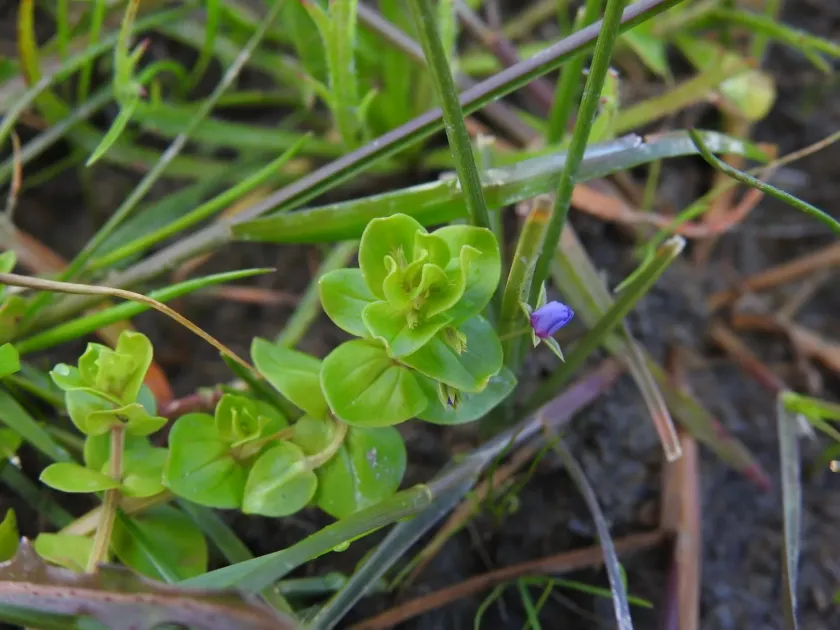
Description
Growing requirements
Lysimachia talaverae is a perennial herbaceous plant belonging to the Primulaceae family. It is a specialized species native to restricted regions, demanding specific environmental conditions for optimal growth.
The plant thrives in moist, well-drained soils that mimic its natural habitat. It performs best in partial shade, as excessive direct sunlight can cause leaf scorch and deplete moisture levels rapidly.
Soil quality is paramount for this species; it requires a substrate rich in organic matter with a balanced pH level. Ensuring proper drainage is essential, as the roots are sensitive to waterlogging, which often leads to decay.
Regarding climate, Lysimachia talaverae requires protection from harsh freezing temperatures. In regions with cold winters, growing the plant in containers or providing heavy mulch coverage is a recommended practice.
Maintenance involves routine monitoring of soil moisture and the application of balanced fertilizers during the growing season. Pruning dead foliage helps maintain the vigor and aesthetic appeal of the plant throughout the year.
Main diseases and pests
The primary threats to this crop include fungal infections like powdery mildew and various root rots. These diseases typically manifest when there is inadequate air circulation around the foliage.
Proactive prevention involves maintaining proper spacing between plants to encourage airflow. Keeping the planting area free of debris also helps in reducing the population of spores and pathogens in the soil.
Pests such as aphids and spider mites can be problematic, especially in environments where humidity is low. These insects cluster on tender new shoots and underside of leaves, causing damage to the plant tissue.
Management of pest populations should prioritize integrated pest management (IPM) strategies. Regular inspection allows for early detection, enabling the use of soft soaps or neem-based treatments instead of heavy chemicals.
Proper water management is the most effective biological defense against many diseases. By ensuring that irrigation is directed at the soil rather than the foliage, the risk of pathogen transmission is significantly lowered.