
Thyme-leaved loosestrife
Lysimachia serpyllifolia
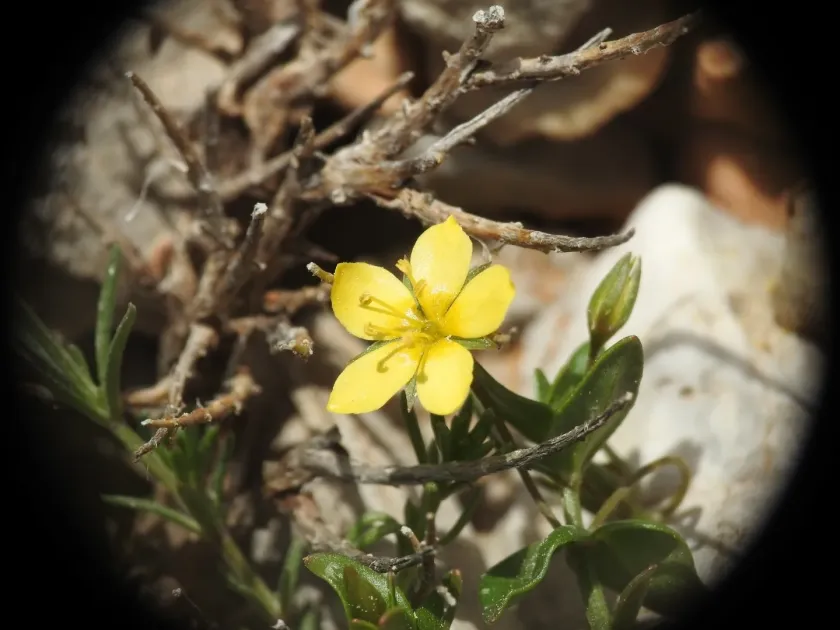
Description
Growing requirements
Thyme-leaved loosestrife (Lysimachia serpyllifolia) is a perennial herbaceous plant belonging to the Primulaceae family. It is recognized for its creeping growth habit and small, thyme-like foliage, which makes it a popular choice for ground cover applications.
The plant thrives in moist, fertile soils that are well-drained but retain sufficient moisture. It is native to mountainous regions, which informs its preference for cooler, damp environments where soil humidity remains stable throughout the growing season.
Regarding light conditions, this species performs best in partial shade. While it can adapt to sunny sites, it requires consistent irrigation to prevent foliage scorch, especially in regions with intense summer heat.
Agrotechnical practices include maintaining consistent soil moisture and preventing weed competition during the establishment phase. The plant is hardy and spreads via rooting stems, which allows it to form dense, low-growing mats that suppress weed growth.
In landscape design, this plant is valued for its ability to cover large areas quickly. It is commonly used in rock gardens, along the edges of garden ponds, and in damp, shady borders where other plants might struggle to establish themselves.
Main diseases and pests
The primary health threats to the plant include fungal pathogens like powdery mildew, which thrive in stagnant, humid conditions with poor air circulation.
Root rot is a significant risk in poorly drained soil. Growers must ensure that the planting site has sufficient organic matter and proper porosity to avoid saturation of the root zone.
Slugs and snails are the most prevalent pests, capable of causing considerable damage to the succulent leaves during rainy weather conditions, often necessitating protective measures.
Integrated pest management, including the use of barriers or biological control, is recommended to keep pest populations at manageable levels without harming the environment.
Regular maintenance, such as thinning out dense patches to improve airflow, significantly reduces the susceptibility of the plants to both fungal infections and insect infestations.