
Creeping yellow loosestrife
Lysimachia procumbens
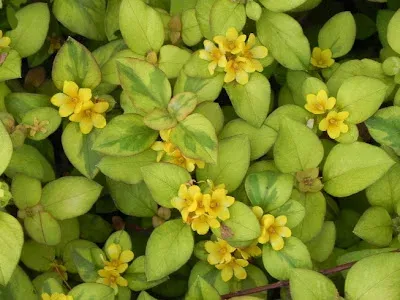
Description
Sowing dates
Sowing of Lysimachia procumbens typically begins in early spring when the soil temperature consistently reaches 15–18 degrees Celsius. For propagation purposes, seeds are sown in light, well-drained seed starter mix and kept under consistent humidity levels.
When sowing in open garden beds, ensure the soil surface is finely leveled. The seeds should be lightly pressed into the surface rather than buried deeply, as they require adequate light to germinate effectively within the primary growth phase.
Vegetative propagation is the most common and efficient method for this species. Dividing mature clumps or using stem cuttings during the summer months allows for rapid coverage of the garden area and ensures consistent plant characteristics.
Cuttings should be kept in a moist environment until roots are well-established. This method is highly favored by professional landscapers for quickly filling gaps in ground cover plantings without relying on slow seed germination.
Proper spacing is crucial when planting to allow for the horizontal spread of the runners. Depending on the intended density of the ground cover, plants can be spaced 20–30 centimeters apart to achieve full coverage within a single season.
Growing requirements
Lysimachia procumbens belongs to the Primulaceae family and is recognized for its creeping, mat-forming growth habit. It is native to various temperate regions and thrives in rich, moist soils that retain moderate levels of organic matter.
The plant has high water requirements and performs best when planted in soil that stays consistently moist. While it is adaptable to different light conditions, it performs best in partial shade where it is protected from intense, direct afternoon heat.
Soil structure should be friable and well-aerated to support the delicate root system. Incorporating compost or well-rotted manure during the initial bed preparation is essential to provide the necessary nutrients for dense foliage development.
Climate adaptation is generally high, though the plant benefits from protection during extreme cold spells in northern climates. In hotter regions, it requires vigilant watering to prevent leaf scorch and to maintain its vibrant green coloration.
Routine maintenance involves monitoring moisture levels and providing a balanced fertilizer in late spring. This helps the plant maintain its vigor and produces the characteristic blooms that enhance its visual appeal in landscape design.
Main diseases and pests
Diseases in Lysimachia procumbens are largely related to improper site drainage. Overwatering or poor soil structure can lead to crown and root rot, which are the most common threats to plant longevity in home gardens.
Slugs and snails are the primary pests of concern, especially in areas with thick foliage or stagnant air. These pests can rapidly defoliate sections of the plant, significantly impacting its ornamental value if left unchecked.
Fungal infections, such as powdery mildew, may appear during periods of high humidity and poor ventilation. Keeping the planting area tidy and free of dense weed competition helps mitigate these risks significantly.
Management of pests involves a combination of manual removal and the use of eco-friendly repellents. Avoiding heavy, synthetic chemicals is recommended to maintain the health of the local soil ecosystem.
Consistent monitoring and proper sanitation of the planting site are the best defenses. Removing any yellowing or diseased foliage immediately helps to keep the population healthy and prevents the spread of pathogens.