
Lysimachia pentapetala
Lysimachia pentapetala
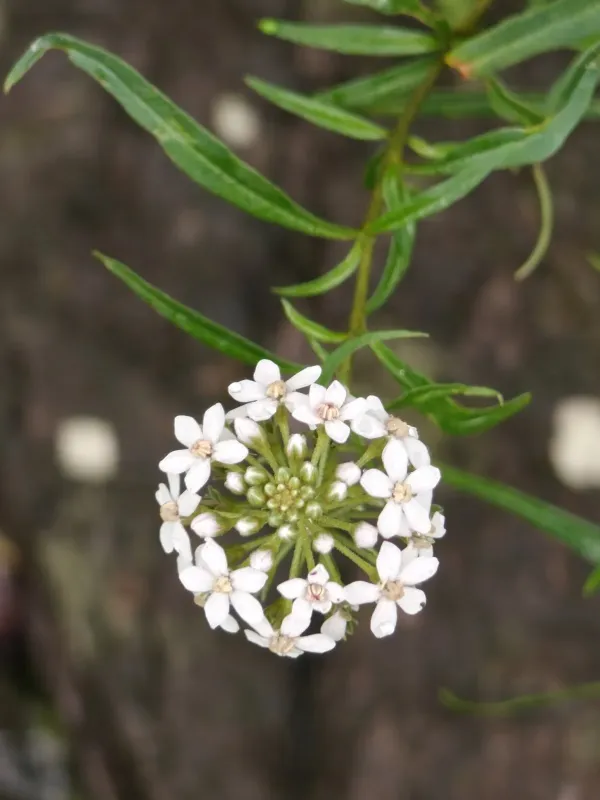
Description
Growing requirements
Lysimachia pentapetala is a perennial herbaceous plant belonging to the Primulaceae family. It is native to the regions of East Asia, including China and Japan, where it naturally thrives in moist and shaded habitats.
The plant features an upright stem with small, delicate white flowers arranged in spike-like inflorescences. Its root system is robust and fibrous, which helps the plant establish itself effectively in wet soil conditions over time.
Regarding soil requirements, the plant prefers fertile, loamy soils that can retain consistent moisture throughout the growing season. A slightly acidic to neutral pH level is ideal for the optimal uptake of essential nutrients.
This crop requires specific climatic conditions, favoring semi-shaded areas where it is protected from intense direct sunlight. Adequate air humidity and shelter from strong winds are also beneficial for the plant's structural integrity.
In terms of agricultural and horticultural use, Lysimachia pentapetala is primarily valued for its ornamental properties. It is widely used in landscape design to stabilize damp areas, pond margins, and shady garden borders where moisture-loving plants are needed.
Main diseases and pests
The primary pests that affect this crop include aphids and spider mites. These insects tend to proliferate during warm, dry periods, requiring regular monitoring of the foliage and the application of appropriate insecticides when infestation levels are detected.
Fungal diseases, such as leaf spot or gray mold, can occur if the planting density is too high or if there is excessive moisture accumulation with poor ventilation. Maintaining good spacing is a key practice to prevent such outbreaks.
Chemical control involving systemic fungicides may be necessary if symptoms of fungal infection appear. It is essential to follow recommended dosage instructions to ensure effective control without causing phytotoxicity to the crop.
Root-dwelling pests, though less common, can cause damage to the underground parts of the plant, potentially leading to wilting or stunted growth. Preventive soil treatments are recommended before planting to minimize these risks significantly.
The overall health of the plant is highly dependent on adhering to correct irrigation and maintenance practices. By providing proper care and avoiding waterlogging, the susceptibility to diseases and pest pressure is kept to a minimum.