
Lysimachia parvifolia
Lysimachia parvifolia
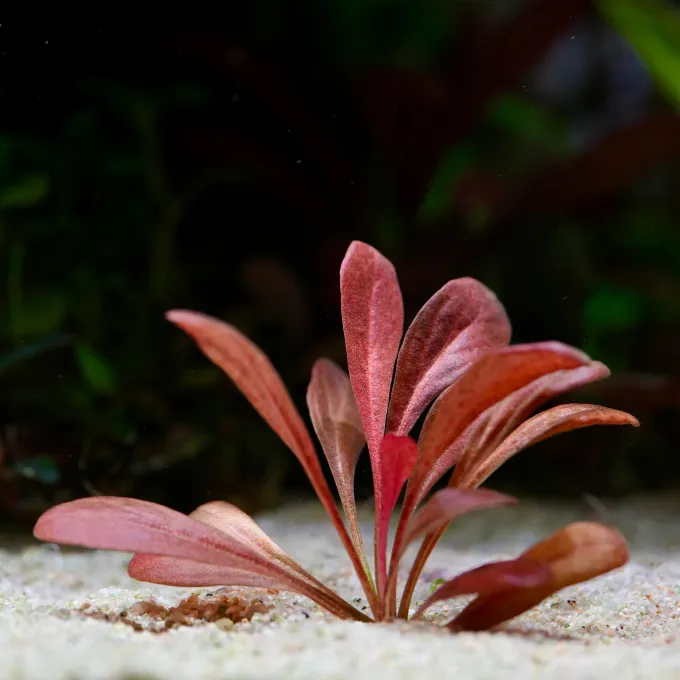
Description
Growing requirements
Lysimachia parvifolia belongs to the Primulaceae family. It is a perennial herbaceous plant recognized for its delicate foliage and spreading habit, which makes it an excellent choice for ground cover in shaded landscape designs.
Originating from regions with temperate climates, this species thrives in moisture-rich environments. It is naturally found in damp habitats, near water bodies, and in shaded woodland areas where humidity remains consistently high.
For optimal growth, Lysimachia parvifolia requires fertile, humus-rich soil that is capable of retaining moisture. It prefers partially shaded locations, as exposure to intense, direct sunlight can lead to leaf scorch and dehydration.
Botanically, the plant is characterized by small, opposite leaves and slender, trailing stems. The flowers are typically yellow, appearing in leaf axils, and contribute to the plant's ornamental value during the peak growing season.
When cultivating this species, it is essential to manage its spread, as the plant reproduces efficiently through underground runners. It is highly valued in horticulture for its ability to create dense, weed-suppressing mats in garden beds.
Main diseases and pests
The primary pests affecting Lysimachia parvifolia include various aphids and mites that target the succulent new growth during the spring and early summer periods.
Fungal pathogens represent the most significant threat, particularly leaf spot and root rot, which are often exacerbated by poor soil drainage and stagnant air conditions.
Maintaining proper plant spacing and ensuring good drainage are critical preventative measures against these threats, reducing the environment's suitability for fungal proliferation.
Integrated pest management strategies involve regular monitoring for signs of stress or infestation, allowing for targeted application of biological or chemical controls when necessary.
Keeping the planting area free from invasive weeds is also crucial, as competition for nutrients can weaken the plants and make them more susceptible to disease and pest pressure.