
Lysimachia ovalis
Lysimachia ovalis
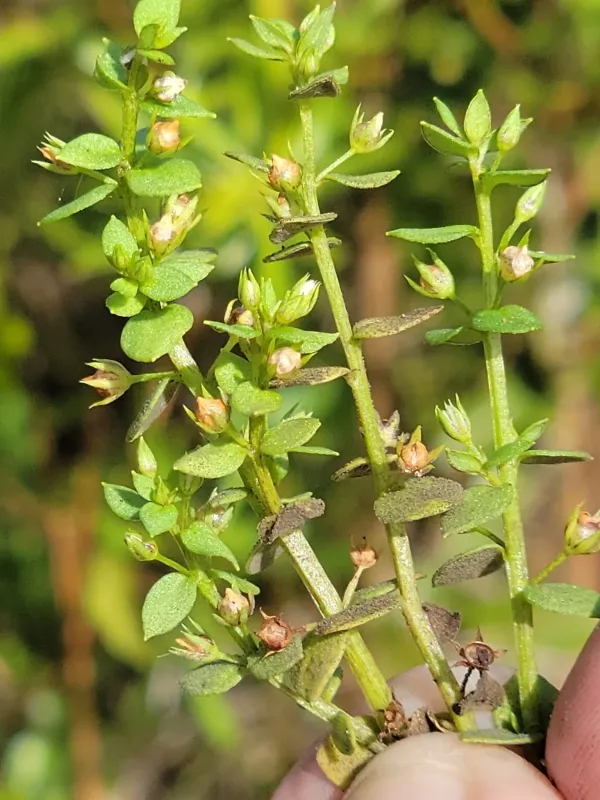
Description
Growing requirements
Lysimachia ovalis is a perennial herbaceous plant belonging to the Primulaceae family. Native to East Asia, it naturally thrives in moist environments such as riverbanks, wetlands, and shaded woodland areas where the soil remains consistently damp throughout the growing season.
The plant requires fertile, nutrient-rich soil with excellent water retention properties to flourish. While it tolerates a variety of soil types, it performs best in soils enriched with organic matter, which supports the vigorous development of its rhizomatous root system during the early stages of establishment.
Climatically, Lysimachia ovalis prefers temperate conditions with reliable precipitation. It is highly valued for its ability to grow in partial shade, where the moisture levels are easier to maintain compared to fully exposed, sun-drenched locations which may cause leaf scorch if irrigation is not provided.
Agronomic management involves regular weeding and the application of balanced organic fertilizers in early spring to encourage dense foliage growth. Because the species tends to spread rapidly, cultivators should plan for adequate spacing or install underground barriers to prevent the plant from invading adjacent garden spaces.
The primary horticultural use of this species is in landscape design, particularly for edge planting around ponds and streams. It provides excellent ground coverage and contributes to soil stabilization, making it a functional choice for managing slopes in wet garden areas or naturalistic planting schemes.
Main diseases and pests
The health of Lysimachia ovalis is primarily compromised by fungal infections resulting from poor drainage or inadequate air circulation. Root rot remains the most critical threat in waterlogged soils, necessitating careful monitoring of soil moisture levels to prevent decay of the plant's delicate root structures.
Powdery mildew can occur during periods of high humidity and warm temperatures, manifesting as a white, dusty layer on the foliage. Early detection and the application of appropriate systemic fungicides are essential to protect the aesthetic value of the plant and maintain overall plant vigor.
Aphids are the most common insect pests associated with this plant, typically congregating on the undersides of leaves and at the tips of new growth. Integrated pest management, including the introduction of natural predators or the use of mild horticultural soaps, is recommended for effective control.
Slugs and snails present a seasonal challenge, especially during the spring growth flush. Implementing physical barriers such as crushed eggshells or sand around the base of the plants can significantly reduce feeding damage during the most vulnerable period of the plant's development.
General hygiene, including the removal of dead or decaying foliage at the end of the season, is the best proactive strategy against pests and diseases. Ensuring that plants are not overcrowded helps to mitigate many environmental stress factors that otherwise invite infestation or fungal outbreaks.