
Lysimachia obovata
Lysimachia obovata
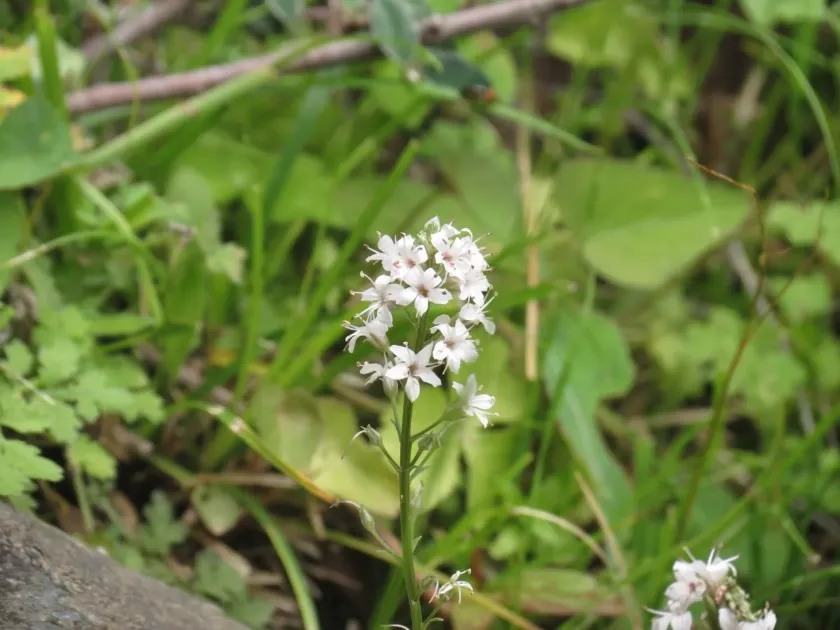
Description
Sowing dates
Propagation of Lysimachia obovata is primarily achieved through division of established clumps, which is best performed in early spring or autumn. This method ensures the new plants are genetically identical to the parent and establishes quickly in the soil.
Seed sowing is a viable alternative, though it requires a cold stratification period of at least two months to break seed dormancy. Sowing should be done in containers with a lightweight, moist, and well-draining substrate to ensure consistent conditions.
When sowing, seeds should be surface-sown or covered with a very fine layer of vermiculite, as they require adequate light to trigger the germination process. Maintaining a stable temperature between 15°C and 20°C is ideal for the successful emergence of seedlings.
Young plants should be spaced approximately 30–40 cm apart to prevent competition for nutrients and water. Proper spacing also ensures better airflow around the foliage, which is crucial for minimizing the risk of fungal infections in humid conditions.
Transplanting seedlings to the field should occur after the danger of severe frost has passed. It is recommended to harden off the plants for several days before planting them in their permanent outdoor location to prevent transplant shock.
Growing requirements
As a member of the Primulaceae family, Lysimachia obovata thrives in moist, fertile soils with a neutral or slightly acidic pH. It performs exceptionally well in areas where natural moisture levels are consistently high, such as pond margins.
While the plant prefers full sun to partial shade, it is quite adaptable to different lighting environments. In hotter climates, partial shade during the afternoon hours is beneficial to prevent leaf scorch and excessive water transpiration.
Regular irrigation is essential, especially during dry spells, as the plant does not tolerate prolonged drought. Keeping the root zone consistently moist is the most important factor for maintaining the plant's health and vigor throughout the growing season.
Fertilization should be balanced, with an application of organic compost or a slow-release fertilizer in early spring. Avoid excessive nitrogen late in the season, as this can lead to lush, soft growth that is more prone to frost damage.
Winter hardiness is generally sufficient for temperate climates, but adding a layer of mulch in late autumn can provide extra protection for the root system against soil heaving caused by frequent freeze-thaw cycles during the winter.
Main diseases and pests
Slugs and snails are the most frequent pests, particularly in wet and cool growing conditions. These pests can rapidly defoliate younger plants, requiring the use of physical barriers or targeted molluscicides to manage their populations effectively.
Leaf spot diseases may occur when plants are crowded or when stagnant water remains on the foliage for extended periods. Pruning affected leaves and improving ventilation through proper spacing are effective strategies to prevent the spread of these pathogens.
Powdery mildew can become an issue during hot, dry periods with high humidity, appearing as a white dusting on the leaf surfaces. Maintaining plant vigor and applying appropriate fungicides if necessary can keep this condition under control.
Root rot is typically caused by poor drainage or excessive soil compaction. If the plant shows signs of wilting despite adequate moisture, checking the roots for dark, mushy spots is advised, followed by immediate soil amendment or transplanting.
Aphid infestations may target the tender growing tips of the stems, causing stunted development. Simple mechanical removal or applications of insecticidal soap are usually sufficient to clear a minor infestation without harming the plant's health.
Harvesting
Harvesting for floral use involves cutting the stems when the buds are partially open, which allows for a longer display time in containers. Using sharp, clean shears is essential to ensure a clean cut and minimize stress on the plant.
Deadheading faded blooms serves both an aesthetic and a physiological purpose, as it encourages the plant to direct its resources toward root development rather than seed set. This is particularly important for younger plants or those showing signs of stress.
In late autumn, when the foliage begins to yellow, the stems should be cut back to just above ground level. This practice helps to clear away potential overwintering sites for pests and diseases, ensuring a clean start for the following spring.
For seed saving, harvest the seed capsules when they have turned brown and dry on the stem. Collect them during a period of dry weather to prevent mold growth during storage, and store them in a cool, dark, and dry environment.
Always sterilize your cutting tools between different plants to avoid the inadvertent spread of viruses or fungal spores. A simple wipe with 70% ethanol is enough to ensure that your tools do not act as vectors for garden diseases.