
Creeping jenny
Lysimachia nummularia
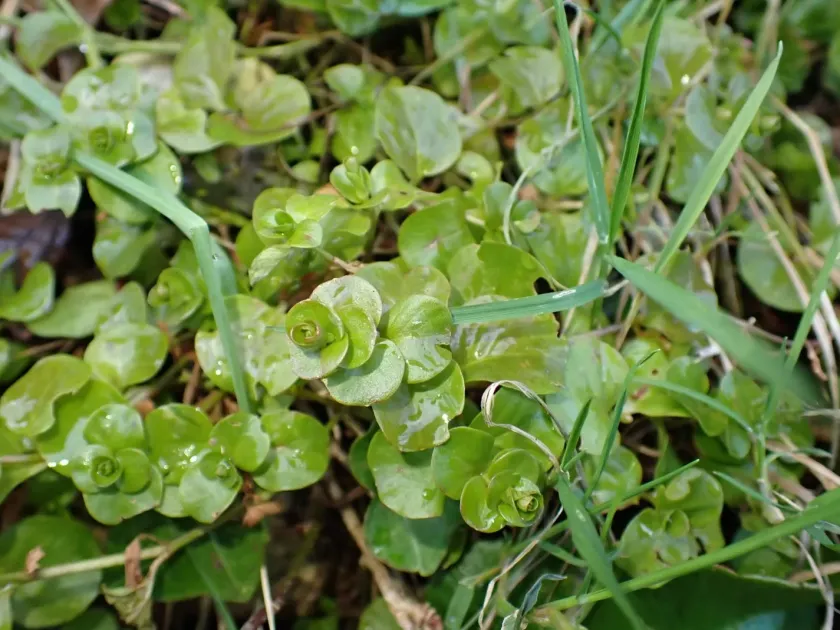
Description
Growing requirements
Creeping jenny (Lysimachia nummularia) is a perennial herbaceous plant belonging to the Primulaceae family. Native to Europe and parts of Asia, it has become widely established in various temperate regions worldwide due to its adaptability.
Botanically, it is a low-growing creeper with stems reaching up to 60 cm. Its characteristic coin-shaped leaves and bright yellow cup-shaped flowers blooming in early summer make it a popular choice for ground cover.
This crop thrives in moist to wet soil conditions and is well-suited for heavy soils that retain moisture. While it prefers partial shade, it can tolerate full sun provided the soil remains consistently damp.
Agrotechnical management involves regular moisture control and containment. Because the plant spreads via rooting nodes, it can be quite aggressive and often requires edging to maintain garden boundaries.
It is extensively used in landscape design to stabilize soil, prevent erosion on slopes, and act as a decorative carpet around water features or as a cascading element in hanging baskets.
Main diseases and pests
Creeping jenny is generally resilient, but it can be susceptible to fungal issues like leaf rust if grown in stagnant, poorly ventilated conditions.
Pests that may occasionally affect the foliage include aphids and various species of weevils that feed on the leaf margins.
To mitigate disease risks, ensure proper air circulation between plants and avoid overhead watering that keeps the foliage damp for extended periods.
When pest infestations occur, standard horticultural soaps or systemic insecticides can be used to control the population without damaging the plants.
Maintaining a healthy, balanced soil environment and removing dead plant material are the best preventative measures against common garden pests and diseases.