
Minorcan loosestrife
Lysimachia minoricensis
Description
Growing requirements
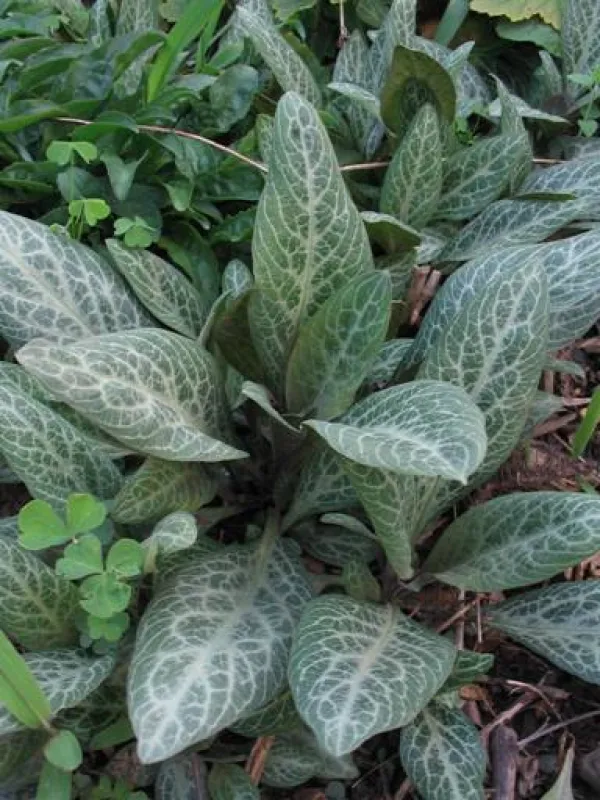
The Minorcan loosestrife (Lysimachia minoricensis) belongs to the Primulaceae family. It is an extremely rare, critically endangered species native to the island of Minorca, valued primarily by plant collectors and enthusiasts for its delicate appearance.
Botanically, this plant is characterized by its rosette-forming habit and bright, star-shaped yellow flowers. It is essentially an ornamental crop that requires specialized conditions to thrive outside its native habitat.
Optimal growth is achieved in cool, shaded environments with consistent moisture levels. The soil must be rich in organic matter and possess excellent drainage to prevent the root system from becoming waterlogged.
Regarding climate, this species demands protection from extreme heat and freezing temperatures. In garden settings, it is often best suited for sheltered rock gardens or containers where environmental factors can be strictly controlled.
Regular maintenance involves light weeding and careful irrigation at the base of the plant to keep the foliage dry, which helps maintain the aesthetic quality and overall health of the specimens.
Main diseases and pests
Root rot caused by stagnant water is the most significant threat to the survival of this crop. Drainage management is the primary factor in preventing pathological damage to the roots.
Foliar pests, specifically aphids and spider mites, can quickly infest the plants during warm, dry spells. Early detection is essential to preventing significant damage to the plant's delicate leaves.
Botrytis, or grey mold, may develop in conditions of high humidity combined with poor airflow. Improving ventilation around the plants is a critical measure to mitigate this risk.
Slugs and snails are opportunistic feeders that can destroy young rosettes overnight. Barriers or biological control measures are recommended to protect the crop from these common garden pests.
Nutrient deficiency can manifest as chlorosis; however, fertilizers should be used cautiously at low concentrations to avoid salt accumulation in the soil, which the species does not tolerate well.