
Coastal loosestrife
Lysimachia mauritiana
Description
Growing requirements
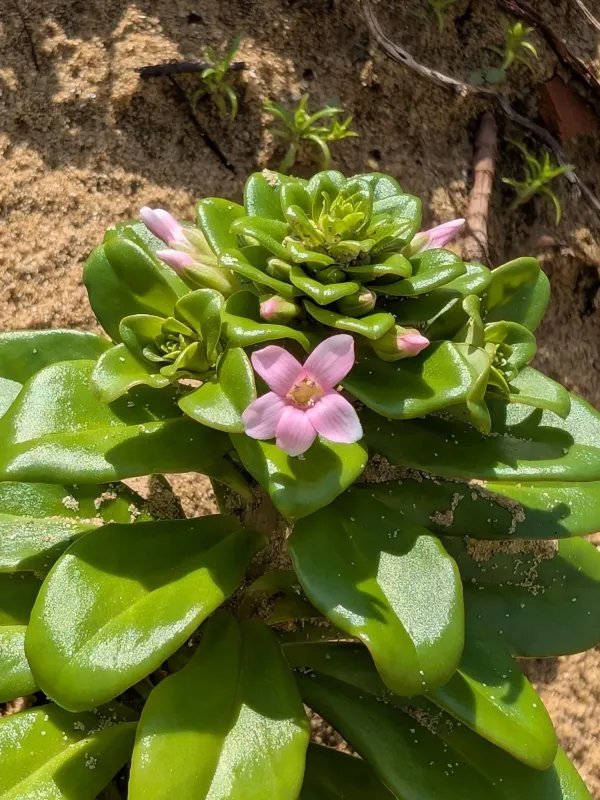
Coastal loosestrife (Lysimachia mauritiana) is a perennial herbaceous plant belonging to the Primulaceae family. Native to the coastal regions of East Asia, including Japan and Korea, it has evolved to thrive in maritime environments and saline-influenced soils.
The plant features succulent, obovate leaves and reaches a modest height, making it an excellent candidate for ground cover. Its botanical structure allows it to withstand windy conditions and intense sunlight, typical of its natural coastal habitat.
Cultivation requirements include a sunny location with well-drained, moist soil. While it is adaptable to various soil types, a sandy or loamy substrate with a neutral to slightly acidic pH is ideal for promoting vigorous vegetative growth and flowering.
Water management is critical for this species. Despite its ability to survive in various conditions, the plant performs best when the soil moisture is kept consistent, especially during the active growth period in spring and early summer.
In terms of usage, the plant is primarily valued for its ornamental appeal in rock gardens and coastal landscaping. Its ability to create dense, weed-suppressing mats makes it a functional choice for ground stabilization in appropriate climatic zones.
Main diseases and pests
The primary pests affecting Lysimachia mauritiana are slugs and snails. Due to the plant's succulent nature, these mollusks can cause significant damage to the foliage, necessitating the use of barrier methods or bait to protect the aesthetic value.
Fungal diseases, particularly gray mold (Botrytis), pose a risk if the plant is grown in areas with poor airflow and excessive humidity. High moisture levels around the base of the plant can lead to root and stem rot if drainage is inadequate.
Leaf spot diseases, caused by various fungal pathogens, may emerge during periods of prolonged wet weather. Implementing fungicide treatments and ensuring adequate spacing between plants helps minimize the spread of these infections in garden beds.
Weed competition can hinder the growth of young plants. Regular weeding is necessary to prevent invasive species from overtaking the area, as coastal loosestrife requires access to light and nutrients to maintain its density and health.
Management strategies should focus on preventive care, including sanitation of the growing area and proper irrigation techniques. By maintaining an open, well-ventilated space, gardeners can significantly reduce the incidence of both pests and diseases.