
Loefling's loosestrife
Lysimachia loeflingii
Description
Growing requirements
Loefling's loosestrife (Lysimachia loeflingii) is a flowering plant species belonging to the Primulaceae family, primarily native to specific regions of the Mediterranean basin.
The plant thrives in temperate climatic zones, requiring well-drained, nutrient-rich soil to establish a strong root system during its initial growth phase.
Regarding light exposure, it performs best in locations that offer partial shade, which prevents the leaf tissue from scorching under direct intense sunlight.
Agrotechnical practices should focus on maintaining a balanced moisture level, as this species is particularly sensitive to waterlogging, which often leads to root collar rot.
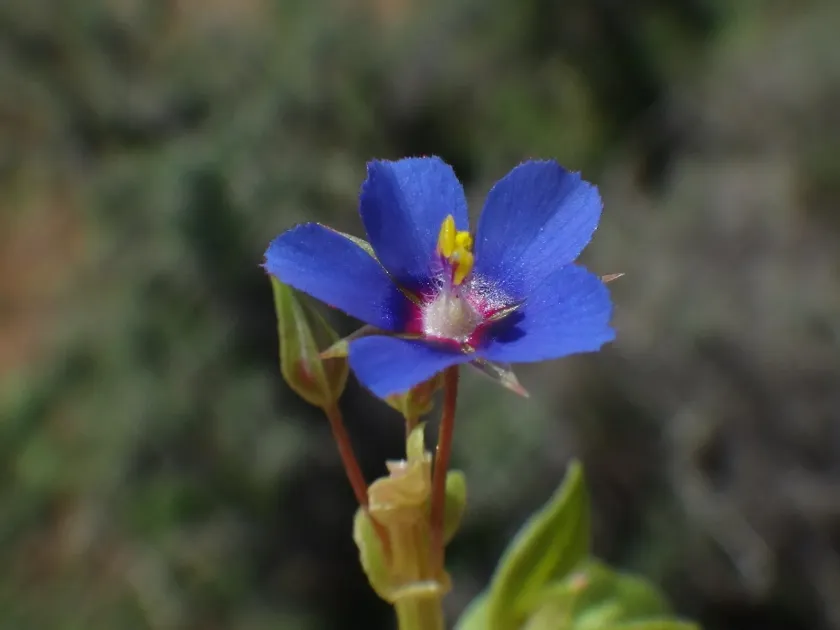
The morphological features of this loosestrife include slender stems and delicate flowers, which characterize its aesthetic value as both a botanical interest and a potential garden crop.
Main diseases and pests
The primary threats to the cultivation of Loefling's loosestrife include various soil-borne pathogens that manifest under high humidity conditions and poor soil drainage.
Fungal leaf spots are common issues that necessitate the use of preventative fungicides to ensure the health of the plant population during the active growing season.
Insect pests such as aphids are frequent visitors that feed on the sap of the tender apical shoots, potentially stunting the overall development of the plant.
Integrated pest management, including physical barriers for larger pests and biological control agents for insects, is highly recommended for sustainable growth.
Maintaining proper spacing between plants helps improve air circulation, significantly reducing the likelihood of mildew infections spreading across the crop area.