
Swamp loosestrife
Lysimachia hybrids
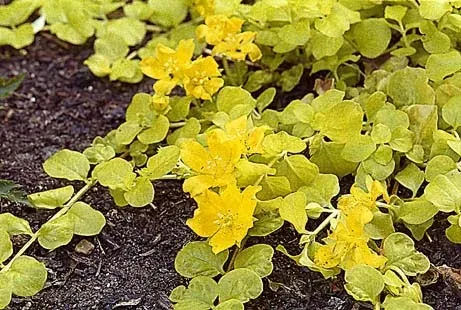
Description
Sowing dates
Swamp loosestrife is typically propagated by vegetative division of the rhizomes, which ensures rapid establishment and maintains the specific traits of the cultivar. The optimal time for this operation is early spring or immediately after the flowering phase ends, when the plant enters a period of dormancy.
Seed propagation is less common as the plant naturally expands via underground stolons. If seeds are used, they are best sown in late autumn to experience natural stratification in the open ground, which significantly improves germination rates in the spring.
Preparing the planting site involves thoroughly clearing the area of perennial weeds, as swamp loosestrife possesses high growth vigor and can easily outcompete other species. The planting depth should match the level at which the rhizomes developed in their original container.
Spacing between plants should be approximately 30–40 centimeters to ensure adequate air circulation. This spacing is vital for preventing fungal diseases, which often thrive in densely packed, poorly ventilated foliage.
Immediate irrigation after planting is an essential agronomic practice. Deep watering helps the soil settle around the roots, eliminating air pockets and promoting quick root-to-soil contact, which is crucial for early growth.
Growing requirements
Swamp loosestrife, belonging to the Primulaceae family, is a moisture-loving perennial that thrives in damp, nutrient-rich soils with a neutral to slightly acidic pH. It is particularly well-suited for sites near water or areas with high moisture retention.
While it prefers sunny locations, the plant tolerates partial shade, making it a versatile choice for various landscapes. When grown in full sun, however, it requires consistent moisture to prevent wilting during peak summer temperatures.
The soil should be enriched with organic matter, such as compost or well-rotted manure, before planting. Regular supplemental fertilization during the active growing season will support vigorous foliage production and long-lasting flowering.
The species is remarkably winter-hardy, adapted to survive in temperate climates without specific winter protection. Ensuring that the soil remains adequately moist before the first ground freeze helps the plant maintain vigor through the winter months.
Due to its aggressive root growth, it is often necessary to install underground barriers or edge the plantings periodically. This management technique keeps the plant within its designated area and prevents it from becoming invasive in smaller garden plots.
Main diseases and pests
The primary threats to swamp loosestrife include fungal pathogens, particularly in conditions of high humidity and poor air circulation. Leaf spot diseases are the most common issue, appearing as discolored patches on the foliage during wet spells.
Pests are generally not a significant threat, though aphids may occasionally colonize the soft, new growth during dry summers. Monitoring the plants regularly allows for early detection, which can often be managed with simple insecticidal soaps or water sprays.
Small rodents can cause damage by gnawing on rhizomes during the winter, especially if the area is heavily mulched. Implementing basic deterrents or maintaining a clean site can minimize the attraction for these pests during the dormant season.
Prevention through good cultivation practices is key. This includes removing old, diseased plant material at the end of the season and ensuring that the planting site is not overcrowded. Proper sanitation significantly reduces the inoculum of potential pathogens.
When chemical intervention is necessary, apply fungicides labeled for ornamental use, strictly following the manufacturer’s guidelines. Ensure that treatments are applied during weather conditions that allow for maximum efficacy and minimal environmental impact.