
Lysimachia ephemerum
Lysimachia ephemerum
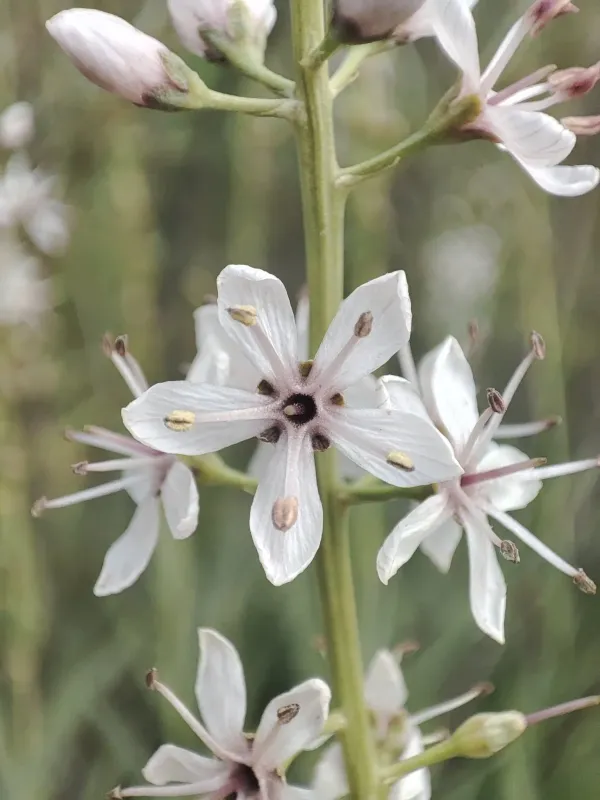
Description
Sowing dates
Sowing seeds of Lysimachia ephemerum is typically done in the late autumn to allow for natural cold stratification during the winter season.
For spring propagation, seeds require a stratification period of approximately six weeks at temperatures around +5 degrees Celsius to break seed dormancy.
When sowing in trays, seeds should be lightly covered with a fine layer of compost, as they require some light exposure for successful germination.
Vegetative propagation via root division is highly recommended during the spring months to ensure strong establishment of the young plantlets.
Space the plants approximately 50 cm apart to prevent competition for nutrients and water, which is vital for the development of the elegant, spiked inflorescences.
Growing requirements
Lysimachia ephemerum belongs to the Primulaceae family and originates from parts of Western Europe, favoring damp meadows and stream banks.
The plant thrives in fertile, moist, and well-drained soils, showing a preference for a neutral to slightly acidic pH level for optimal nutrient uptake.
While the plant is quite adaptable, it performs best in full sun or light shade, provided the moisture levels remain consistent throughout the growing season.
Regular irrigation is essential, especially during dry spells, as the species is not drought-tolerant and will wilt quickly without an adequate water supply.
Soil improvement with compost or well-rotted organic matter is recommended before planting to ensure the long-term fertility required for such a vigorous grower.
Main diseases and pests
Slugs and snails are the primary pests of this species, particularly affecting young foliage and emerging shoots during wet spring conditions.
Gray mold and other fungal diseases can affect the plant if air circulation is poor, particularly in plantings that are spaced too closely together.
Aphids occasionally infest the flowering stalks; monitoring should be frequent during the blooming period to prevent damage to the aesthetic quality of the inflorescences.
Overcrowded conditions promote the spread of pathogens, making thinning of the stems an important cultural practice to maintain plant health and vigor.
Consistent weed control is necessary to prevent competition, as Lysimachia ephemerum can be overshadowed by more aggressive weed species in a garden setting.