
Violet loosestrife
Lysimachia dubia
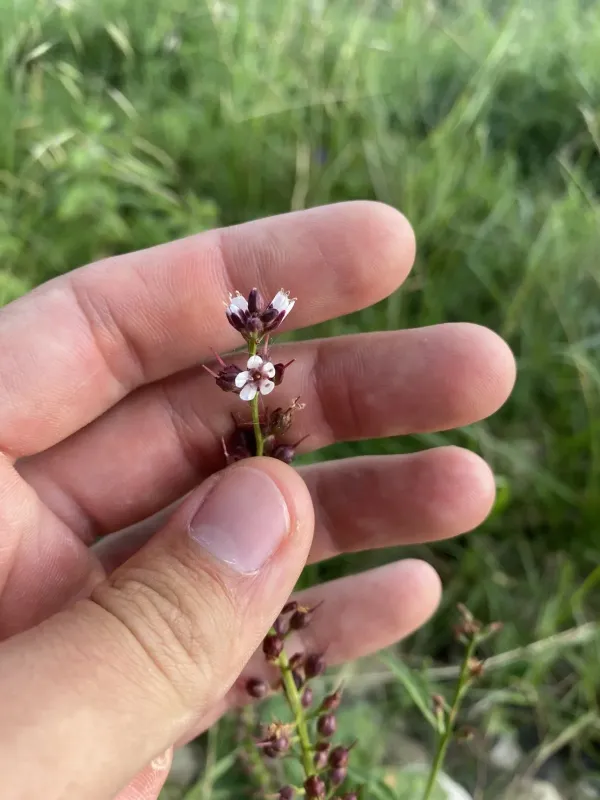
Description
Sowing dates
Violet loosestrife (Lysimachia dubia), a member of the Primulaceae family, is a perennial herbaceous plant often propagated by seed. Sowing is typically carried out in late autumn for winter stratification or in early spring under controlled conditions.
The seeds are tiny and require a period of cold treatment to break dormancy. For spring sowing, placing the trays in a refrigerator for a month significantly improves the germination rate and uniformity of the seedlings.
When starting seeds, use a well-draining, sterile seed-starting mix. Press the seeds gently into the surface without covering them with soil, as they need light to germinate efficiently. Maintain a consistent humidity level using a spray bottle.
Seedlings should be pricked out into individual pots once they develop their first set of true leaves. This promotes stronger root growth and makes transplanting into the garden much easier and safer for the developing plant.
Hardening off the plants is a crucial step before final transplanting. Gradually acclimatize the seedlings to outdoor conditions over a week to prevent transplant shock, especially if moving from a greenhouse environment.
Growing requirements
This species thrives in locations with partial sun to partial shade. In cooler climates, full sun is acceptable, whereas, in warmer regions, protection from intense afternoon sun is recommended to prevent leaf scorching.
The plant prefers rich, moist, and well-draining soil. While it is adaptable to various soil types, adding organic matter such as compost or peat moss can enhance soil structure and water retention capabilities.
Consistent soil moisture is essential for the health of violet loosestrife. It is not a drought-tolerant plant, so in periods of low rainfall, supplementary watering is necessary to support its vigorous vegetative growth.
Lysimachia dubia is relatively hardy, but in areas with extremely cold winters, applying a layer of organic mulch around the base of the plant provides vital protection against frost damage to the root system.
Plant spacing should be approximately 30–40 cm apart. This distance allows for proper air circulation, which is critical in preventing humidity-related issues and ensuring the plant has enough space to establish its root system.
Main diseases and pests
Aphids are the most common pests encountered on this plant. They typically cluster on the tender tips of the stems, causing stunted growth. Using neem oil or insecticidal soap is usually effective for controlling populations.
Fungal issues, such as powdery mildew, often appear during periods of high humidity and poor airflow. Proper plant spacing and avoiding overhead irrigation can significantly reduce the incidence of these infections.
Root rot occurs if the plant is kept in waterlogged conditions for extended periods. Ensuring that the planting site has excellent drainage is the best defense against these pathogens, which are often fatal to the plant.
Slugs and snails may target the lush foliage during rainy spells. These pests can be managed by using physical barriers like copper tape or through the application of iron-phosphate-based baits in the garden.
Good garden hygiene, such as clearing away dead plant debris at the end of the season, helps reduce the overwintering sites for both insects and fungal spores, promoting a healthier growing cycle for the following year.