
Lysimachia decurrens
Lysimachia decurrens
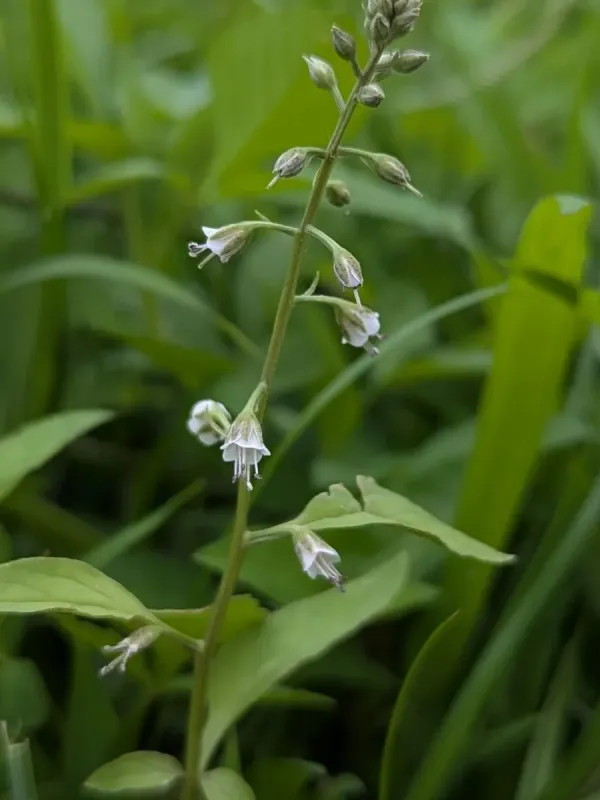
Description
Growing requirements
Lysimachia decurrens, commonly known as the decurrent loosestrife, is a perennial herbaceous plant belonging to the Primulaceae family. It is native to temperate regions of East Asia, where it thrives in humid habitats.
To achieve optimal growth, this crop requires soil that is consistently moist and rich in organic matter. Sandy loam with a neutral pH is ideal for maintaining the structure of the root system and supporting healthy leaf production.
Environmental requirements include a semi-shaded location. Although it can tolerate some sun, it is highly sensitive to heat stress and drought, which can significantly stunt the growth of its distinctive lanceolate leaves.
The plant is characterized by its unique decurrent leaves, which extend down the stem, and its elegant, slender spikes of white flowers. This morphological feature helps the plant survive in its natural riparian environments.
The main usage of the species is in landscape design, particularly for pond edges and water gardens. Additionally, it possesses compounds utilized in traditional herbal medicine for their cooling and anti-inflammatory properties.
Main diseases and pests
The primary threats to this plant are fungal infections such as powdery mildew and rust, which often manifest in overcrowded planting areas with poor air circulation and excessive moisture.
Pests such as aphids and spider mites are frequent visitors, especially during dry spells. These insects feed on the sap of the plant, causing foliage to yellow and preventing the development of full inflorescences.
Integrated pest management strategies should be applied to prevent these issues. This involves regular monitoring, manual removal of infested leaves, and the application of neem oil or compatible insecticides.
Root rot is a critical threat that arises in waterlogged soils. Ensuring good drainage at the base of the planting site is essential to prevent the pathogen from colonizing the vascular system of the plant.
Finally, winter damage can be avoided by providing a layer of mulch during the coldest months. This protects the crown of the plant from freeze-thaw cycles that can cause heaving and subsequent root injury.