
Dahurian loosestrife
Lysimachia davurica
Description
Growing requirements
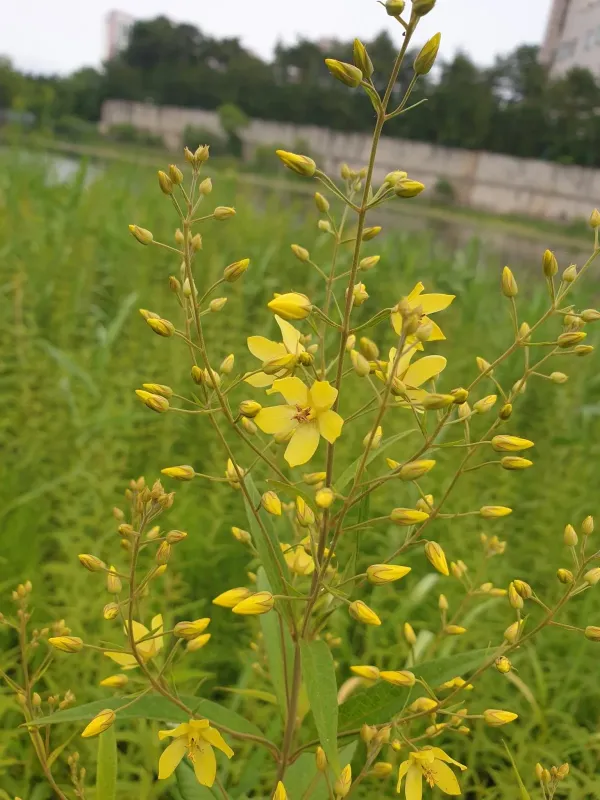
Dahurian loosestrife (Lysimachia davurica) is a herbaceous perennial plant belonging to the Primulaceae family. It is native to Eastern Asia, Siberia, and Mongolia, where it grows in moist, temperate habitats.
The plant is highly adaptable and thrives in environments with high soil moisture, frequently occurring in riparian zones, wet meadows, and forest margins.
Regarding soil requirements, the species prefers nutrient-rich, loamy, or sandy-loam substrates with a neutral to slightly acidic pH. Consistent moisture availability is a key factor for optimal growth.
The plant exhibits high cold hardiness, making it suitable for temperate agricultural zones. It produces robust root systems that allow it to establish successfully in diverse soil conditions.
In terms of agricultural and horticultural use, it is valued for its potential in medicinal applications and its ability to act as a groundcover in landscaping, particularly in wetland rehabilitation projects.
Main diseases and pests
Fungal pathogens, particularly those causing leaf spot and root rot, represent the primary health threats to Dahurian loosestrife crops, especially during periods of high humidity.
Pests such as aphids and various leaf-chewing insects can cause significant damage to the foliage, necessitating active management during the early growing season.
Effective management includes crop rotation and the physical removal of diseased plant debris to minimize the risk of pathogen overwintering.
Field maintenance should prioritize soil drainage to prevent anoxic conditions in the root zone, which significantly increases susceptibility to fungal infections.
Integrated pest management (IPM) strategies, including the use of biological controls, are recommended over broad-spectrum chemicals to preserve environmental balance.