
Fringed loosestrife
Lysimachia ciliata
Description
Sowing dates
Vegetative propagation via division is the most efficient method to ensure the offspring retain the parent plant's traits, especially in cultivars. Division is best performed in early spring as new growth begins or in the autumn after the plant has flowered.
Seeds can be sown in late autumn to allow for natural cold stratification during the winter. If planting in spring, seeds should be stratified in a refrigerator for several weeks to improve germination rates, which are otherwise often inconsistent.
When establishing new beds, space plants approximately 35–45 cm apart. Given the species' vigorous spreading nature, it is often advisable to install underground root barriers if you wish to prevent the plant from encroaching upon other garden sections.
Maintenance includes light fertilization in the spring with balanced organic compost. Mulching around the base of the plant helps retain soil moisture, which is critical for preventing stress during the peak heat of the summer months.
Late-season care involves cutting the stems back to the ground once they have finished their seasonal growth. This practice promotes cleaner garden aesthetics and reduces the chance of overwintering pathogens that might affect next year's emerging shoots.
Growing requirements
Fringed loosestrife (Lysimachia ciliata) is a hardy perennial belonging to the Primulaceae family. Native to North America, this plant is valued in horticulture for its distinct foliage and reliable growth habits, making it a favorite for moist landscape settings.
The plant thrives in full sun to partial shade. When exposed to sufficient sunlight, varieties with dark foliage, such as the popular Firecracker, exhibit vibrant purple hues. It is essential to maintain consistent soil moisture, as this plant does not tolerate drought or prolonged dry spells.
Soil requirements for Lysimachia ciliata include rich, humus-filled, and consistently moist soil. It adapts well to various soil types, provided they are not excessively sandy or depleted of nutrients. Neutral to slightly acidic soil conditions are ideal for robust development.
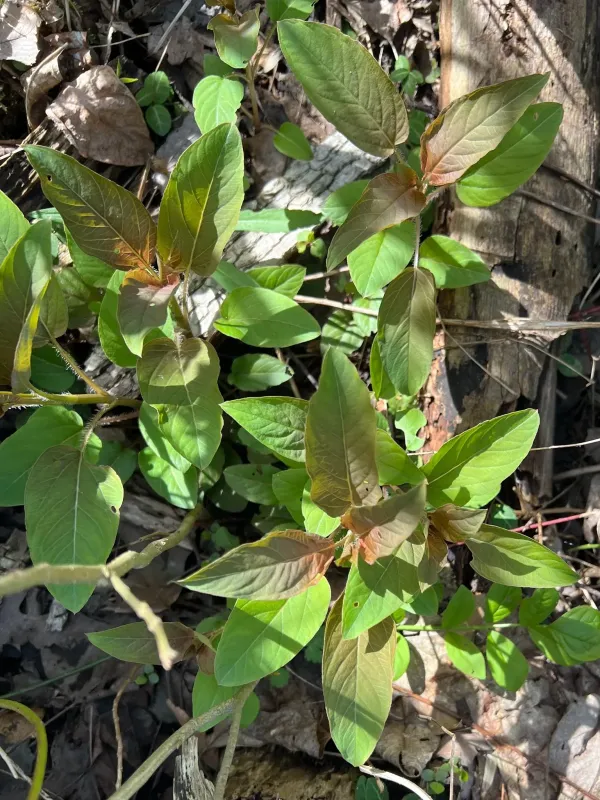
Botanically, the plant features erect stems reaching heights between 40 and 90 centimeters. The leaves are opposite and lance-shaped, characterized by small, stiff hairs (cilia) along the leaf margins, which is the defining feature of the species. Yellow, star-shaped flowers appear in mid-summer.
In terms of agricultural and horticultural use, it serves as an excellent ground cover. Its ability to spread via rhizomes allows it to form dense colonies that effectively compete with and suppress weed growth in designated garden areas.
Main diseases and pests
Fringed loosestrife is generally resilient, but poor airflow in overcrowded plantings can lead to fungal issues such as powdery mildew. Proper plant spacing is the primary preventative measure against such conditions.
Common pests like aphids and spider mites may target the plant during periods of low humidity and high heat. These pests can cause discoloration and wilting, requiring the application of appropriate horticultural soaps or systemic insecticides if infestations are severe.
Root rot is a potential concern, particularly in poorly drained soils during cooler, wetter seasons. Ensuring the planting site has adequate drainage is a key management strategy to mitigate the risk of fungal root diseases.
Regular monitoring of the foliage is recommended to catch pest or disease issues early. Removing affected parts of the plant immediately can help limit the spread of infections throughout the colony.
Though rarely fatal to established plants, persistent moisture stress or pest pressure can significantly reduce the ornamental value of the foliage. Consistent irrigation management is the most effective tool in maintaining the plant's overall health and aesthetic appeal.