
Lysimachia candida
Lysimachia candida
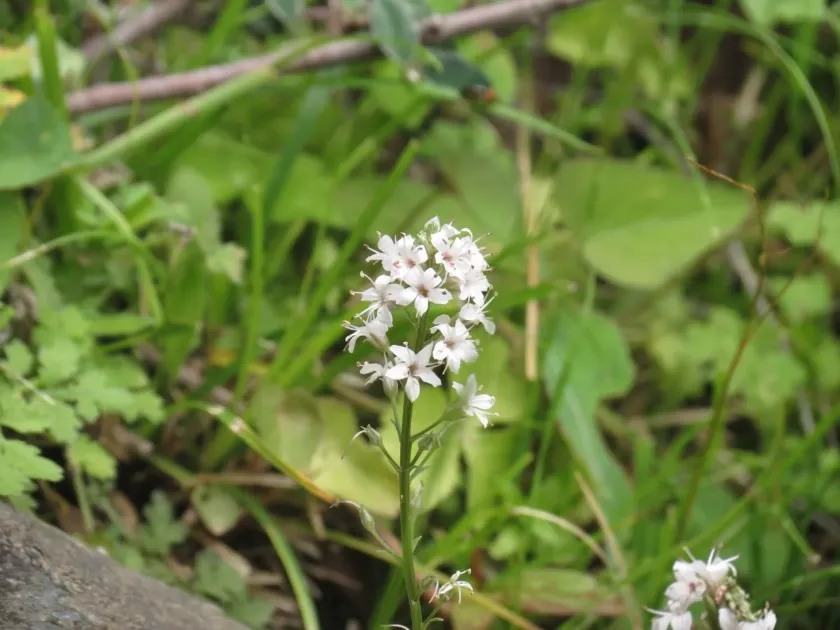
Description
Growing requirements
Lysimachia candida, commonly known as white loosestrife, is a perennial herbaceous plant belonging to the Primulaceae family. It is recognized for its slender foliage and clusters of pure white flowers, which provide a delicate aesthetic to gardens and naturalized landscape settings.
Native to East Asia, including regions in China and Japan, this plant typically thrives in moist environments such as meadows, riverbanks, and marshy areas. Its geographical distribution highlights its evolutionary adaptation to habitats that offer consistent water availability.
Botanically, the plant features erect stems and linear leaves arranged in an alternate pattern. The flowering period occurs in late spring to summer, during which the terminal racemes become the focal point of the plant. The root system is stoloniferous, allowing for efficient spreading in suitable soil conditions.
Cultivation requires fertile, moisture-retentive soils with high organic content. While the plant can tolerate partial shade, it performs best in locations with filtered light. Ensuring that the soil does not dry out is essential, as the species lacks significant drought-tolerance mechanisms.
Agronomic practices include regular mulching to preserve ground moisture and periodic thinning of dense stands to promote airflow. In cooler climates, providing a layer of winter protection helps safeguard the crown, ensuring robust regrowth during the following growing season.
Main diseases and pests
Fungal diseases are the primary threat to the health of Lysimachia candida, particularly in poorly drained soil conditions. Root rot and damping-off can cause rapid deterioration of the plant, necessitating the use of fungicides or improved drainage systems in the affected area.
Gastropods, such as slugs and snails, are frequent pests that feed on the soft tissue of the leaves. Managing their population involves the use of physical barriers or organic bait traps, especially during wet weather, to prevent significant defoliation of the garden beds.
Aphids can cause damage by colonizing the tender parts of the stems, leading to stunted development and leaf curling. Integrated pest management, including the introduction of beneficial insects or the application of mild botanical oils, effectively controls these infestations.
Leaf spot infections may occur if foliage remains wet for extended periods without adequate air circulation. Pruning the plant to remove affected areas and maintaining proper spacing between individual stems are crucial preventive measures against these pathogens.
Competition from aggressive weeds is another challenge, as they can quickly outcompete Lysimachia candida for nutrients and sunlight. Consistent maintenance of the planting site is necessary to ensure the plant remains vigorous and aesthetically appealing throughout the year.