
Lysimachia azorica
Lysimachia azorica
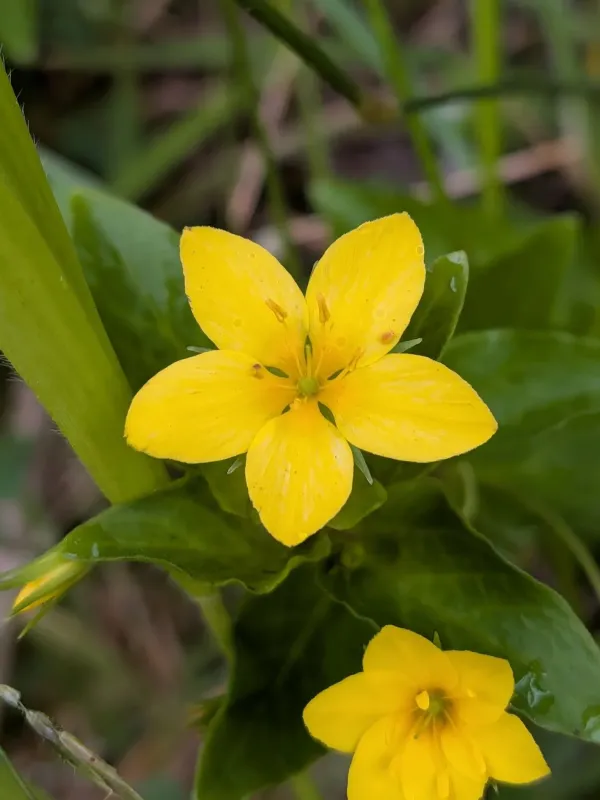
Description
Growing requirements
Lysimachia azorica, commonly known as the Azores loosestrife, is a perennial herbaceous plant belonging to the Primulaceae family. This species is endemic to the Azores archipelago, which defines its specific ecological needs and growth habits.
The plant thrives in shaded or semi-shaded environments, mirroring its natural forest floor habitat. It requires high levels of moisture both in the air and in the soil to maintain its lush foliage and healthy growth cycle throughout the season.
Optimal soil conditions for this crop include loose, nutrient-rich substrates with a high organic matter content. Because it is highly sensitive to drought, maintaining consistent soil moisture is critical for the survival of the root system.
Temperature sensitivity is a key factor for cultivators. Lysimachia azorica is not frost-hardy, meaning it requires protection or indoor overwintering in cooler climates where the temperature drops significantly below freezing.
In terms of usage, this plant is primarily valued for decorative purposes. It serves as an excellent ground cover in rock gardens, shaded border areas, or near water features, where its compact form and vibrant appearance can be fully appreciated.
Main diseases and pests
The main threat to the health of Lysimachia azorica is the development of fungal pathogens, particularly root rot, which is triggered by waterlogged soil conditions and poor air circulation around the base of the plant.
Common pests such as aphids and spider mites may target the plant, especially when it is weakened by improper watering or insufficient humidity. These pests tend to colonize the undersides of leaves and soft young shoots.
Slugs and snails are a frequent problem in the moist, shaded environments where this plant thrives. They can rapidly defoliate the plant, leading to significant cosmetic damage or stunted development if left unchecked.
To manage and prevent these issues, it is essential to ensure adequate plant spacing to promote airflow. Dry conditions around the base of the plant should be avoided to prevent stress, but drainage must remain effective to prevent rot.
Early detection through regular inspection is vital. If a pest infestation is confirmed, using mild horticultural soaps or biological control methods is recommended to keep the plant healthy while protecting the garden's ecosystem.