
Purple loosestrife
Lysimachia atropurpurea
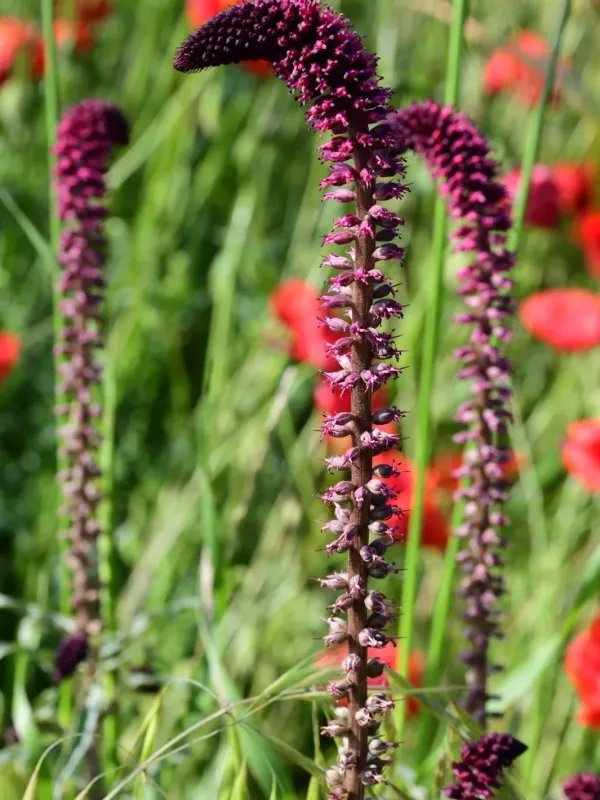
Description
Sowing dates
Purple loosestrife (Lysimachia atropurpurea), a member of the Primulaceae family, can be propagated through seeds or by dividing mature clumps.
Sowing in open ground is best done in late autumn or early spring after the seeds have undergone a cold stratification process to ensure successful germination.
For indoor propagation, seeds should be sown in trays during March, maintaining consistent moisture and moderate temperatures until the seedlings emerge.
Transplanting seedlings to their final location is recommended in May, once the danger of frost has passed, ensuring proper spacing of 30–40 cm between plants.
Division of established plants is most effective during early spring or autumn, allowing the root system to settle before the peak of the growing season.
Growing requirements
This plant thrives in moist, fertile, and well-drained loamy soils, making it an excellent choice for garden areas with high humidity or near water bodies.
Originating from the Balkans and Southeastern Europe, the species prefers consistent irrigation and does not tolerate long periods of drought during summer.
Annual fertilization with organic matter in spring is recommended to boost the production of its signature dark purple, upright spikes of flowers.
While the plant performs best in full sun, it is adaptable enough to thrive in partial shade, provided the soil moisture requirements are strictly met.
Mulching the root zone is a critical practice to retain soil moisture and prevent competitive weed growth that could stifle the development of the plant.
Yield
As an ornamental crop, the productivity of Lysimachia atropurpurea is assessed by the density and visual impact of its elegant flower spikes.
Healthy plants will develop numerous floral stalks reaching heights of 50–60 cm, providing a striking contrast of color within traditional garden borders.
Flowering typically spans from early summer through August, offering a prolonged period of aesthetic interest for landscape and floral designers.
The intensity of the purple color and the overall growth vigor are heavily dependent on the quality of light and regular maintenance of soil fertility.
Prompt deadheading of spent blossoms is highly recommended as it keeps the plant looking tidy and may encourage the plant to invest energy into root growth.
Main diseases and pests
The species is generally hardy and robust, yet it can be susceptible to fungal issues if grown in areas with poor airflow and excessive humidity.
Rust, appearing as brownish-orange spots on the foliage, is the most common pathology and should be treated with systemic fungicides at the first sign.
Common garden pests such as aphids and spider mites can infest the younger shoots and flower heads during dry and hot summer spells.
Integrated pest management, including regular inspection and the use of insecticidal soaps, is usually sufficient to handle minor pest infestations.
Cultural prevention, such as thinning out overly dense foliage and avoiding overhead irrigation, remains the best way to maintain plant health.
Harvesting
Seed harvesting should be performed in late summer when the seed pods have dried out and turned a dark, mature color upon inspection.
The collected stalks should be air-dried in a well-ventilated, shaded area before the seeds are threshed and cleaned for storage in breathable packaging.
For decorative cut flowers, stems should be harvested when the flowers are about halfway open along the spike to ensure longevity in a vase.
Stems must be placed in water immediately after cutting, and periodic water changes will help preserve the freshness of the floral arrangement.
Final harvest of the season involves cutting the foliage back to the soil level in late autumn, which prepares the rootstock for a dormant winter state.