
Greek cyclamen
Cyclamen graecum
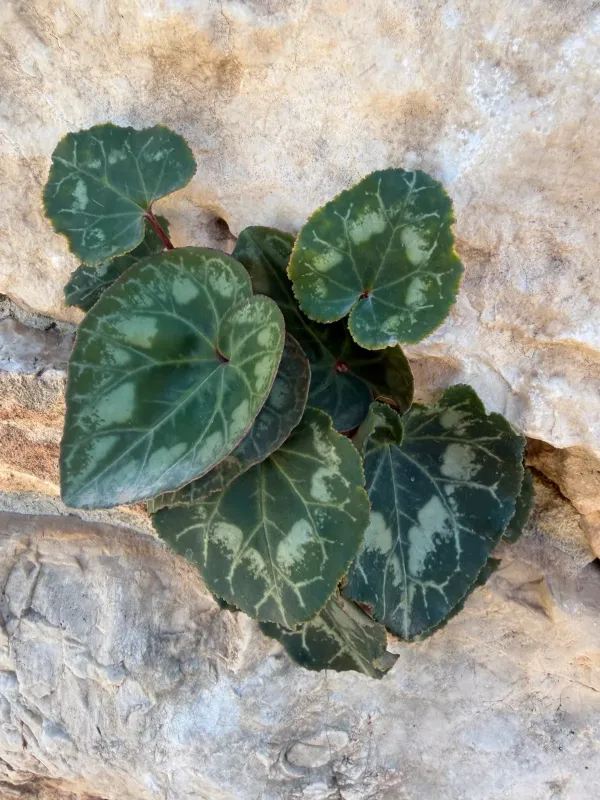
Description
Sowing dates
Greek cyclamen (Cyclamen graecum) is a tuberous perennial plant belonging to the Primulaceae family. Propagation is primarily carried out through seeds, as the tuber is sensitive to division and can easily succumb to decay if damaged during the process.
Seeds should be sown in late summer or early autumn to align with the plant's natural growth cycle. Fresh seeds germinate more reliably, and they require a cool, dark environment during the initial phase of their development.
A well-draining, gritty soil mix is essential for sowing. This ensures that the delicate root systems of the seedlings do not suffer from moisture stagnation, which is the primary cause of seedling loss in early stages.
The germination process can be slow and sporadic, often taking several weeks or even months. Consistency in soil moisture is required, but the medium must never be waterlogged, as the roots need high levels of aeration.
Young plants should remain undisturbed for at least one full growing season after germination. Once they have developed a small tuber, they can be carefully transplanted into larger individual containers to facilitate further growth.
Growing requirements
Native to Greece, the Aegean Islands, and parts of Turkey, Cyclamen graecum is adapted to rocky, well-drained terrains. It thrives in locations that mimic these natural environments, typically shaded by shrubs or rocks.
The most important aspect of cultivation is the mandatory dormancy period. During the hot summer months, the foliage dies back, and the tuber should be kept dry to prevent physiological stress and rotting.
This species requires high light levels but generally avoids intense direct sunlight. A position in partial shade, such as under the canopy of larger plants or in a specialized greenhouse, provides the ideal light intensity.
Soil composition should be light and porous. Incorporating limestone chips is often beneficial, as many wild populations of this species naturally grow in calcium-rich, rocky soils, which affects the plant's overall health and flower color.
Ventilation is crucial for Greek cyclamen, especially during the active growing season in winter and spring. Good air circulation prevents the buildup of humidity, which is a major factor in the development of fungal infections.
Main diseases and pests
Fungal infections, such as root and tuber rot caused by Erwinia or Fusarium species, are the most severe threats. These conditions are almost always linked to overwatering or poor soil drainage during the dormant phase.
Cyclamen mites are a notorious pest for this species. They hide in the center of the plant's growth points and feed on the developing tissues, leading to stunted, distorted growth and a complete failure of the plant to flower.
Spider mites are another common challenge, especially in indoor environments with low humidity. They thrive when the air is dry and warm, causing the leaves to lose their healthy color and eventually drop prematurely.
Aphids can also infest the plants, causing stress and spreading viral diseases. Regular monitoring and the application of suitable contact or systemic insecticides are required to keep populations under control.
General hygiene, such as removing dead leaves and spent flower stalks, is essential to minimize the risk of disease. Keeping the tuber's surface clean and dry is the best preventative measure against most pathogens.