
Cyprus cyclamen
Cyclamen cyprium
Description
Sowing dates
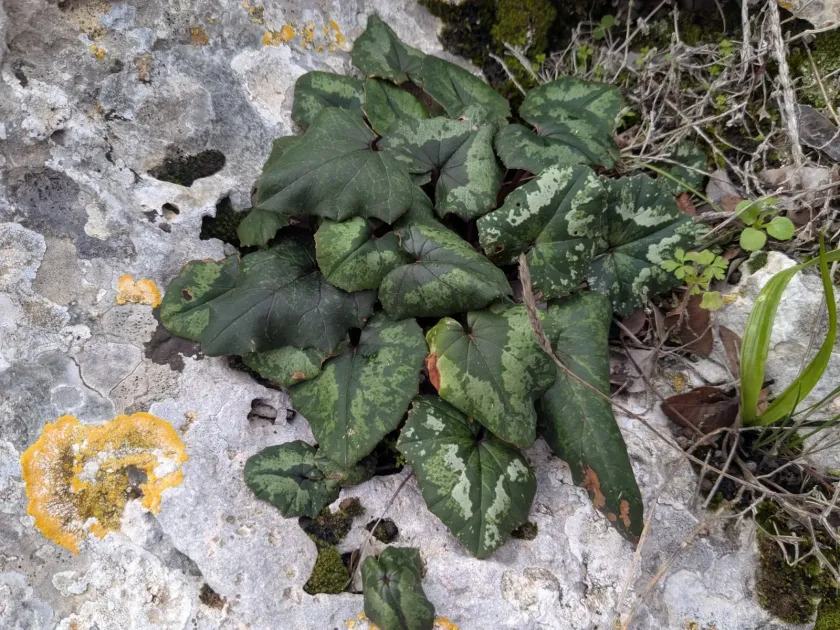
Cyprus cyclamen (Cyclamen cyprium) is a perennial tuberous plant belonging to the Primulaceae family, naturally endemic to the island of Cyprus.
Propagation is typically performed through seeds, as the tuber structure of this species is sensitive to disturbance and division techniques.
Sowing occurs during late summer, allowing the seeds to germinate in the cooling temperatures of early autumn, mirroring natural wild conditions.
The ideal growing medium consists of a well-draining mix containing leaf mold, horticultural grit, and a fraction of limestone to maintain proper pH.
Seeds should be covered to ensure complete darkness during the germination process, which can take several weeks depending on the temperature.
Growing requirements
The cultural requirements involve a long winter growing season and a strict dormant phase during the hot, dry summer months.
Good ventilation is essential, as the species is highly adapted to the Mediterranean climate and dislikes stagnant, humid air environments.
The soil must be kept moist but never waterlogged; improper watering is the most common reason for the failure of this plant in cultivation.
Bright, filtered light is preferred to simulate the dappled shade found under rocks or forest canopy in its native Cypriot habitat.
Fertilization should be kept to a minimum, focusing on potassium-rich feeds to support the development of healthy, fragrant flowers.
Main diseases and pests
The primary threat to the longevity of the plant is tuber rot, often caused by overwatering or poor drainage in the potting mix.
Pests such as red spider mites and aphids pose a risk, particularly when grown in conditions with insufficient air movement and humidity.
Botrytis or grey mold may develop on the flowers or foliage if the environment remains excessively humid for long periods without air circulation.
Regular maintenance, including the removal of dead or yellowing leaves, is crucial to prevent the spread of fungal pathogens.
If chemical control is necessary, soft insecticides should be applied with caution, ensuring that the tuber and roots are not adversely affected.