
Cretan cyclamen
Cyclamen creticum
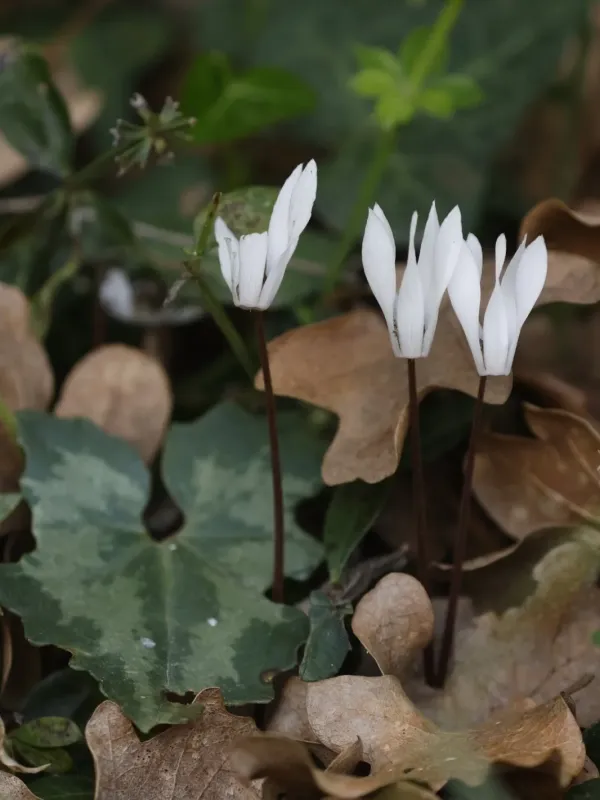
Description
Sowing dates
Propagating the Cretan cyclamen is primarily achieved through seeds, which should be sown fresh to ensure optimal germination rates for the crop.
The seeds require a light, well-draining substrate rich in organic matter, placed in cool and dark conditions to mimic their natural habitat before sprouting.
Constant moisture must be maintained during the initial stages, though the substrate should never be waterlogged, as this can easily lead to rotting.
Seedlings are typically pricked out into individual small pots once they have developed their first true leaves and demonstrate sufficient root vigor.
Consistent care during the early growth stages is essential for the long-term success and establishment of this beautiful perennial plant species.
Growing requirements
The Cretan cyclamen belongs to the Primulaceae family and is native to the island of Crete, where it thrives in rocky, shaded Mediterranean environments.
It prefers well-drained, nutrient-rich soil that mimics the rocky and calcareous substrates found in its native geographical range.
Climate-wise, the species is best suited to cool, shaded locations where temperatures do not exceed the threshold of heat tolerance for this Mediterranean bulb.
During its vegetative phase, the plant requires careful hydration, ensuring that water reaches the roots without pooling around the tuberous storage organ.
The aesthetic value of the plant lies in its heart-shaped, silver-marbled foliage and delicate, fragrant flowers that bloom in early spring seasons.
Main diseases and pests
The primary threats to the Cretan cyclamen include fungal diseases, which are exacerbated by poor air circulation and excessive soil humidity levels.
Botrytis and various types of root rot can cause significant damage to the tubers, often rendering the plant unsalvageable if not treated immediately.
Pests such as mites and thrips pose a consistent threat by feeding on succulent leaves and flowers, which can severely weaken the plant's overall vitality.
Effective management requires proactive monitoring and the implementation of cultural practices that favor plant health and resistance to infections.
- Avoid overhead irrigation
- Maintain proper drainage in all pots
- Apply pest control measures promptly