
Colchis cyclamen
Cyclamen colchicum
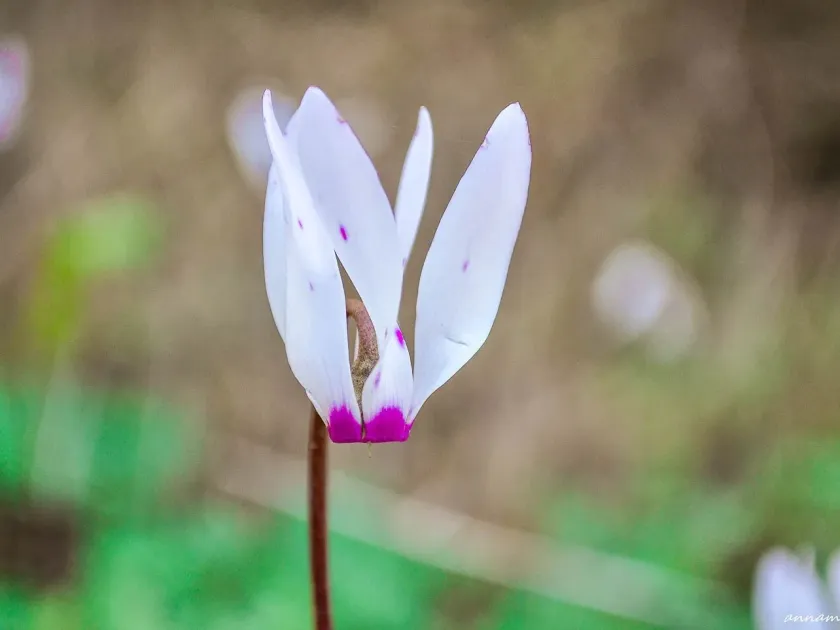
Description
Growing requirements
Colchis cyclamen (Cyclamen colchicum) is a perennial herbaceous plant belonging to the Primulaceae family. It is a rare endemic species highly valued by botanists and collectors for its unique biological properties and decorative appearance.
The plant originates from the mountainous regions of Western Georgia, where it thrives in shaded forest areas with calcareous soils. In cultivation, it requires conditions that mimic its natural habitat, including stable temperatures and consistently moist, well-drained conditions.
Successful cultivation relies on the use of loose, organic-rich substrates with a neutral or slightly alkaline pH. The plant is sensitive to thermal stress, preferring cool conditions where the temperature does not exceed 18 degrees Celsius, which is essential for healthy tuber development.
Proper water management is critical; the substrate should be kept moist but never waterlogged to prevent tuber rot. Since the plant is slow-growing, it requires a steady supply of micronutrients to maintain foliage vigor and successful annual blooming cycles.
Its primary use is in specialized ornamental horticulture. Given its status as a rare species, cultivators should ensure that they obtain plants from sustainable nurseries rather than extracting them from their natural environments, adhering to conservation standards.
Main diseases and pests
Cyclamen mites and thrips are the most common pests that pose a threat to the plant, causing foliage deformation and inhibiting bud formation. Regular inspection of the leaves is necessary to detect these pests early and prevent widespread infestation.
Fungal diseases, including Botrytis (gray mold) and Fusarium wilt, thrive in poorly ventilated environments with high humidity. These pathogens can cause rapid decay of the tuber and root system if environmental controls are not strictly followed.
Bacterial soft rot is another severe condition that can destroy the tuber within a few days, typically occurring when the soil remains too wet for extended periods. Once a tuber is infected, it is often difficult to save the specimen, making preventative care essential.
Integrated pest management, including the use of systemic insecticides and proper sanitization, is recommended for long-term health. Using fungicides specifically formulated for ornamental plants can effectively mitigate the risk of fungal outbreaks.
Maintaining optimal airflow and avoiding overhead watering are simple yet effective strategies to minimize the occurrence of infections. Removing yellowing or damaged leaves promptly helps to maintain a clean growing environment and prevent pathogen buildup.