
Cilician cyclamen
Cyclamen cilicium
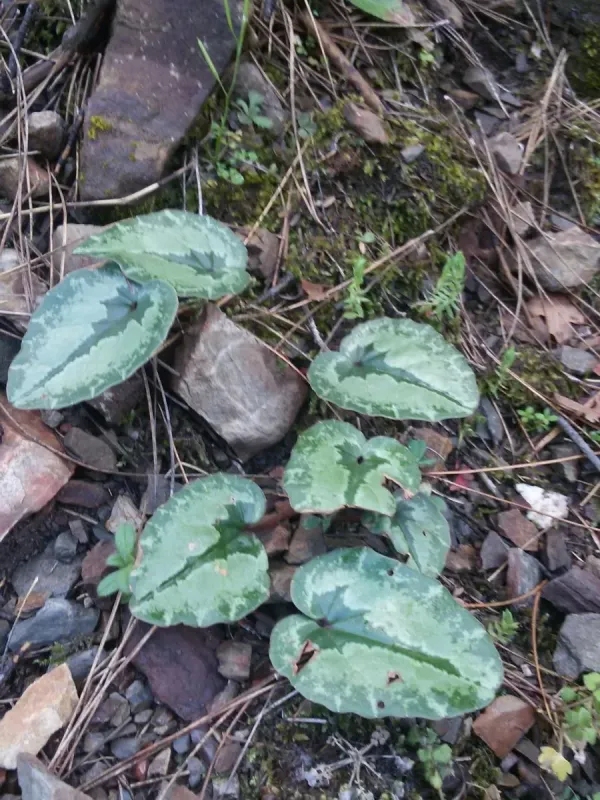
Description
Sowing dates
Sowing of Cyclamen cilicium seeds should be performed in late summer or early autumn, immediately after the seeds have ripened. Fresh seeds provide the highest germination rate.
It is recommended to soak the seeds in water for 12 to 24 hours before planting. This helps soften the seed coat and initiates the germination process for a more uniform emergence.
The substrate must be light, well-draining, and slightly acidic to neutral. Seeds should be sown at a depth of about 0.5 to 1 centimeter to ensure proper protection while allowing for necessary gas exchange.
Maintaining a temperature between 15 and 18 degrees Celsius is crucial for successful germination. Excessively warm conditions may inhibit the development of the embryos.
Once the seedlings develop their first true leaves, they should be carefully transplanted. Providing individual space prevents competition for nutrients and encourages healthy tuber formation.
Growing requirements
Cyclamen cilicium is a member of the Primulaceae family. It is native to the rocky landscapes of Southern Turkey, adapted to survive in temperate mountainous climates.
This species thrives in semi-shaded positions, often under the canopy of deciduous trees. It prefers soil that is rich in organic matter but stays free of standing water.
In terms of moisture, the plant requires a balanced approach. It needs regular watering during its active growing phase but prefers to be kept drier during its summer dormancy period.
Good air circulation is vital for this culture. Stagnant air combined with high humidity often leads to physiological stress and potential fungal infections.
While hardy, the plant benefits from a layer of mulch in colder regions. This protects the tuber from deep frost and maintains stable soil moisture levels throughout the dormant season.
Main diseases and pests
Botrytis, or gray mold, is a primary threat to Cilician cyclamen. It thrives in humid conditions and can quickly destroy leaves and flower stalks if not addressed.
Root rot, typically caused by pathogens like Pythium, occurs if the soil drainage is inadequate. Ensuring that the planting site has excellent drainage is the best preventive measure.
Cyclamen mites are a major pest that causes stunted growth and twisted, distorted leaves. Early detection is key, as these pests are difficult to eradicate once established.
Aphids can also congregate on tender stems and buds. Regular inspection of the undersides of leaves helps identify infestations before they cause significant damage.
Integrated pest management strategies should be employed, prioritizing cultural practices like thinning and proper sanitation before resorting to chemical controls.