
Montpelier coris
Coris monspeliensis
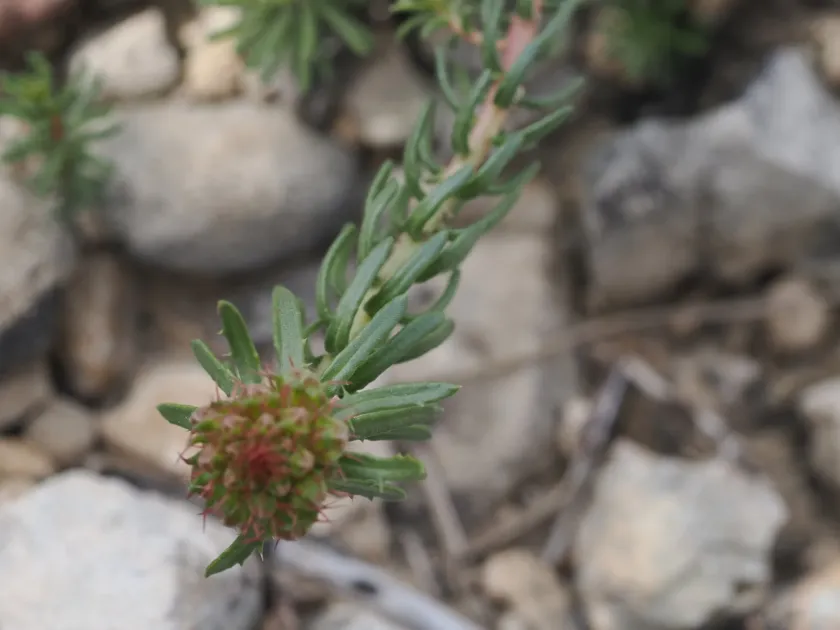
Description
Growing requirements
Montpelier coris (Coris monspeliensis) is a charming low-growing perennial plant belonging to the Primulaceae family. It is native to the Mediterranean basin, where it typically thrives in rocky, sandy, and well-drained soils.
Botanically, the plant is characterized by its narrow, lanceolate leaves and dense terminal racemes of small, vibrant flowers ranging from pale pink to deep magenta. It forms a prostrate, cushion-like habit that is highly adaptable to arid environments.
Successful cultivation requires a location with full sun exposure. The plant is a typical xerophyte, meaning it is highly tolerant of drought and requires very little supplemental watering once established in the ground.
The soil must be exceptionally well-drained and gritty. Heavy clay soils or those that retain moisture for too long are fatal to the root system, so sandy or rocky substrates are considered the industry standard for its growth.
In terms of agricultural and horticultural use, it is prized as a specialty plant for rock gardens and Mediterranean-style landscapes. Its low maintenance requirements make it an excellent choice for xeriscaping projects in mild climates.
Main diseases and pests
The most significant threat to Montpelier coris is root rot, which occurs primarily due to poor drainage and waterlogged soil conditions. Proper aeration of the substrate is the most effective preventative measure against fungal pathogens.
While the plant is generally pest-resistant, it can occasionally be susceptible to aphids or spider mites in enclosed greenhouse environments. Regular monitoring and maintaining proper air circulation are key to keeping the plants healthy.