
Badula borbonica
Badula borbonica
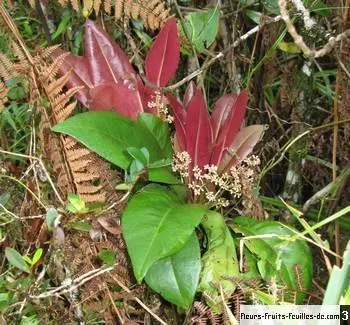
Description
Growing requirements
Badula borbonica is a woody plant species belonging to the Myrsinaceae family. It is an endemic species native to Reunion Island, where it typically thrives in the understory of tropical forests characterized by high moisture levels.
The plant requires a stable microclimate with high relative humidity and filtered light. It is sensitive to environmental stressors, such as extreme heat or cold drafts, which makes it a challenging plant for general cultivation outside its natural habitat.
Soil requirements for Badula borbonica include a well-draining, nutrient-rich substrate with a slightly acidic to neutral pH level. Proper aeration of the root zone is essential to mimic the forest litter conditions where the plant naturally establishes itself.
Botanically, the plant is identified by its leathery, evergreen foliage and small flowers. Its life cycle is adapted to the specific conditions of island ecosystems, where it contributes to the overall stability of the forest structure.
In terms of human use, it is primarily valued for its botanical significance and conservation efforts. It is rarely found in commercial agriculture and is mainly restricted to specialized nurseries and botanical gardens focused on rare island flora.
Main diseases and pests
The primary threats to this species in its native range are habitat loss and the encroachment of invasive plant species that outcompete native endemic flora for nutrients and space.
When grown in controlled environments, the plant can be susceptible to common greenhouse pests such as spider mites, mealybugs, and scale insects. Maintaining proper air circulation is the best preventive measure against fungal outbreaks.