
Wulfen's rock jasmine
Androsace wulfeniana
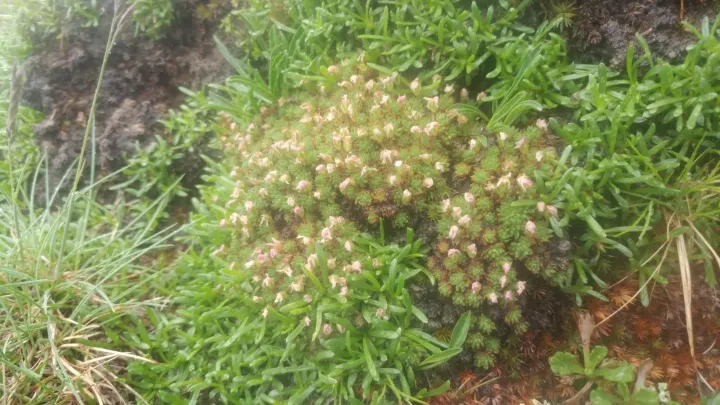
Description
Sowing dates
Propagation is primarily achieved through seeds which require a period of vernalization. Sowing is typically performed in late autumn to allow the seeds to experience natural freeze-thaw cycles, which are necessary to trigger successful germination in the following spring.
Growing requirements
Wulfen's rock jasmine (Androsace wulfeniana) is a member of the Primulaceae family. It is a slow-growing, perennial herb native to the Eastern Alps, where it naturally inhabits high-altitude crevices and rocky slopes, reflecting its extreme hardiness to cold.
The plant exhibits a distinct cushion-forming growth habit. Its dense, moss-like rosettes are composed of small, imbricated leaves that provide structural interest throughout the year. The species is highly valued for its striking floral display, featuring vibrant pink to magenta flowers during the spring season.
Successful cultivation requires strict adherence to alpine conditions. The soil must be exceptionally gritty and free-draining, consisting of a mix of sand, stone chips, and minimal organic matter. High levels of mineral content are essential to mimic the plant's native stony environment.
Light requirements are intense; the plant thrives only in full sun. In horticultural settings, it is best suited for troughs, rock gardens, or scree beds. Protection from summer moisture is crucial, as the plant does not tolerate high humidity or stagnant air around its foliage.
The species is perfectly adapted to cold winters, provided there is good drainage to prevent root damage from ice expansion. During the growing season, a consistent supply of cool air is more beneficial than high temperatures, which can stress the plant and reduce its longevity.
Main diseases and pests
The primary threats include root rot and botrytis, often triggered by excessive humidity or poor soil drainage. Keeping the crown of the plant dry by top-dressing with coarse gravel is an essential preventative measure against fungal infections in garden environments.