
Umbel-like rock jasmine
Androsace umbellata
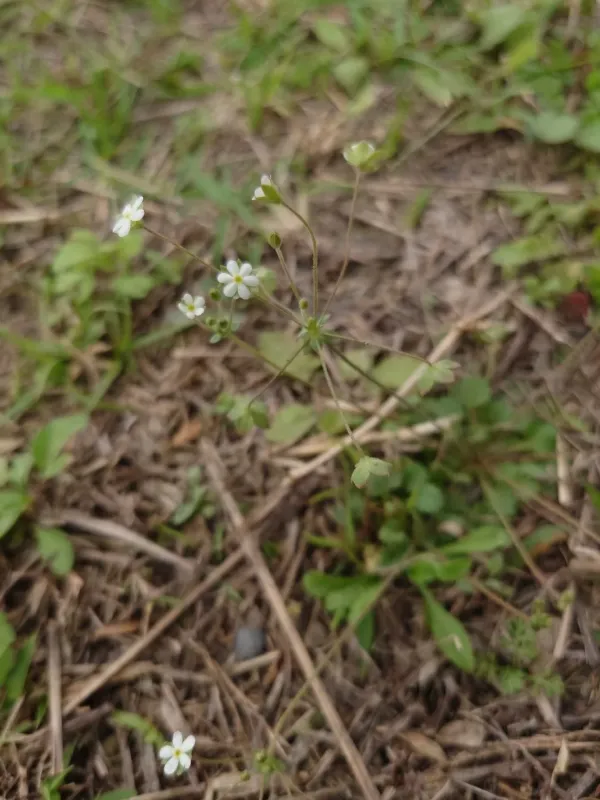
Description
Growing requirements
Androsace umbellata, commonly known as the umbel-like rock jasmine, is an annual herbaceous plant belonging to the Primulaceae family. It is recognized for its botanical uniqueness and its niche role in horticulture, particularly in rock gardens and specialized ecological displays.
The native distribution area of this species spans across temperate regions of East Asia. The plant is naturally adapted to mountain meadows and open slopes, requiring environments that mimic its high-altitude origins to thrive in a cultivated setting.
Ideal cultivation conditions require well-drained, gritty, or sandy soils with a slightly acidic to neutral pH. Proper soil aeration is paramount, as the species is highly sensitive to root asphyxiation caused by waterlogged conditions.
Climatic requirements focus on a preference for cool to moderate temperatures during the germination and early growth phases. While the plant appreciates full sun, it benefits from partial shade during the peak of summer to prevent heat-induced dehydration.
Agronomic maintenance centers on irrigation management and soil quality preservation. Periodic monitoring of moisture levels is crucial, as the plant demands consistent but controlled hydration to avoid fungal pathogens affecting the collar zone.
Main diseases and pests
The primary threats to Androsace umbellata are soil-borne fungal pathogens, specifically damping-off and root rot, which proliferate in poorly drained media. Utilizing sterile growing media and precise water management are essential preventative measures.
Pest issues include typical greenhouse and garden sap-suckers like aphids and spider mites. These are best managed through early detection and the application of targeted, environmentally safe insecticidal soaps or horticultural oils.